


Methods for Treating Myopia
Jun 29, 2022
Source: Cainiu Health

Dr. Chen You
Introduction
Myopia can be treated surgically, with advantages including rapid recovery and minimal disruption to daily life. After myopia surgery, it is normal to experience symptoms such as tearing, photophobia, and a foreign-body sensation in the eye on the same day. In such cases, gently wipe away tears from the face—do not use tissues or towels to directly touch the eyeball. Additionally, keep your eyes closed and rest as much as possible.
People often say that the eyes are the windows to the soul—through them, we can behold all the beauty the world has to offer. Glasses-wearers are ubiquitous on city streets, many donning thick lenses daily. Over time, this may significantly affect one’s appearance. So, what are the treatment options for myopia?
Treatment Options for Myopia
Myopia can be treated surgically. Surgical intervention offers advantages such as rapid visual recovery and minimal disruption to daily life. Following myopia surgery, patients may experience transient symptoms on the same day—including tearing, photophobia (light sensitivity), and a foreign-body sensation in the eye—which are considered normal postoperative reactions. In such cases, gently wipe away tears with a clean tissue or cloth, taking care not to touch the eyeball directly with paper towels or towels. Additionally, close your eyes and rest as much as possible. For the first three months after surgery, avoid swimming and other strenuous activities. Strictly adhere to your ophthalmologist’s prescribed medication regimen—do not substitute or discontinue medications without medical guidance, as doing so may increase the risk of complications such as infection. Regular follow-up examinations are essential. When going outdoors at midday under intense sunlight, wear sunglasses to protect your eyes from harmful bright light.
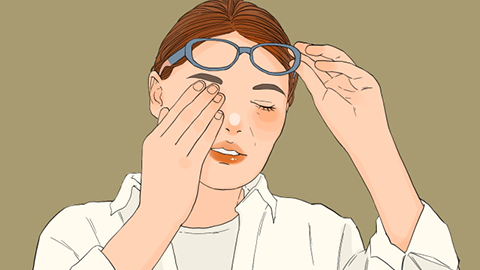
Myopia may arise from genetic factors. It does exhibit a certain degree of heritability: children whose both parents have high myopia are at increased risk of developing myopia themselves. Hereditary myopia typically manifests earlier in life and tends to progress to higher degrees—often exceeding −6.00 diopters. However, not all cases of high myopia are genetically determined.
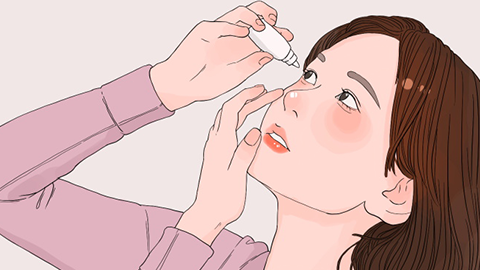
If myopia has already developed, patients must promptly wear appropriately prescribed corrective lenses. We hope this information proves helpful to you.







