


Are interferon and local steroid injections the same?

Generally speaking, interferon and local block injections are different. They differ significantly in drug properties, mechanisms of action, and indications, and should not be confused or used interchangeably. If in doubt, it is recommended to consult a doctor in advance. The detailed analysis is as follows:
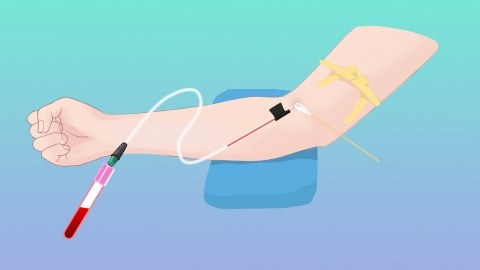
Interferon is a type of immunomodulator that primarily works by activating the body's immune system, enhancing the activity of immune cells, and inhibiting viral replication or tumor cell proliferation. It can be used in the treatment of viral infections (such as chronic hepatitis B) and tumors. Administration methods include injection and topical application. In contrast, local block injections typically consist of a mixture of corticosteroids (e.g., prednisolone) and local anesthetics (e.g., lidocaine), aiming to provide localized anti-inflammatory and analgesic effects by suppressing local inflammatory responses to relieve pain and swelling.
Interferon is indicated for systemic or localized viral infections and malignant tumors, such as chronic hepatitis C, hairy cell leukemia, and genital warts. Local block injections are suitable for local soft tissue injuries and aseptic inflammations, such as tenosynovitis, lateral epicondylitis, and localized tendinitis. These injections act directly at the affected site and are not used to treat systemic diseases.
Before using either medication, the specific condition and therapeutic needs must be clearly identified, and the appropriate drug should be selected under a physician’s judgment—self-substitution or unauthorized use is not allowed. After administration, monitor your body's response closely. If local redness, swelling, fever, or systemic discomfort occurs, seek medical attention promptly and report the symptoms.


