


What should I do if I have myopia combined with astigmatism?
Jun 29, 2022
Source: Cainiu Health

Dr. Chen You
Introduction
Myopia combined with astigmatism is typically corrected with eyeglasses in minors. After reaching adulthood, individuals may opt for contact lenses or corneal laser surgery to correct both myopia and astigmatism, thereby improving visual acuity. Both myopia and astigmatism fall under the category of refractive errors. In fact, refractive errors primarily include myopia, hyperopia, and astigmatism—each of which can occur independently.
Astigmatism and myopia are common manifestations of refractive errors. Mild astigmatism and myopia typically have minimal impact on visual acuity; however, without proper correction and management, the condition may progressively worsen—developing into moderate or high astigmatism and myopia—which not only impairs vision but also adversely affects daily life and work performance. So, what should one do when suffering from both myopia and astigmatism?
Management of Myopia Combined with Astigmatism
In minors, myopia combined with astigmatism is usually corrected with eyeglasses. After reaching adulthood, individuals may opt for contact lenses or corneal laser surgery to correct both myopia and astigmatism, thereby improving visual acuity. Both myopia and astigmatism fall under the category of refractive errors. In fact, refractive errors primarily include myopia, hyperopia, and astigmatism. These three types may occur independently or concurrently. A comprehensive cycloplegic refraction examination at an ophthalmology clinic can determine the specific refractive status. Based on the type and severity of the refractive error, an appropriate corrective approach is selected.
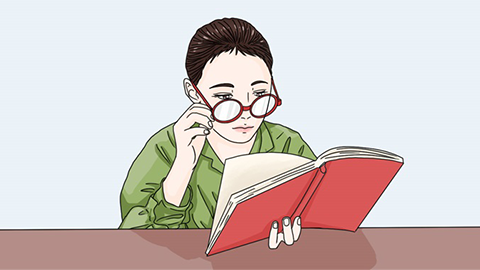
Symptoms of astigmatism correlate closely with its degree and type. Patients with mild astigmatism often maintain normal visual acuity, whereas those with moderate or severe astigmatism experience reduced distance and near vision. Simple astigmatism causes only slight visual decline, while compound and mixed astigmatism lead to marked visual impairment; inadequate correction may even result in amblyopia. Visual fatigue commonly occurs because the retina receives blurred images, requiring constant fine-tuning of focus. Moreover, objects appear distorted—particularly in cases of hyperopic astigmatism—making visual fatigue more likely. Typical symptoms include ocular pain, tearing, headaches (especially frontal), double shadows in the visual field, difficulty sustaining near work, compensatory head tilting, and strabismus. Patients with markedly asymmetric astigmatism between the two eyes frequently adopt a tilted head posture to improve clarity, which may subsequently induce strabismus. With appropriate correction, astigmatism-related visual function can be restored.
If symptoms suggestive of these conditions are noticed in daily life, prompt consultation and active cooperation with an ophthalmologist are essential. We hope this information proves helpful to you.



