


How to Perform the Most Accurate Refraction for Astigmatism
Jun 29, 2022
Source: Cainiu Health

Dr. Chen You
Introduction
Astigmatism correction is best achieved through cycloplegic refraction. Cycloplegia reveals the true degree of ciliary muscle paralysis. Before age 18, the eye’s accommodative capacity is exceptionally strong; therefore, refractive measurements obtained only via cycloplegic refraction are the most accurate—otherwise, significant measurement errors may occur. If astigmatism is present, correction should be initiated as soon as possible. The goal of correction is not to eliminate astigmatism entirely.
Spending prolonged periods using smartphones and computers, frequently reading or studying in poorly lit environments, and overstraining the eyes can lead to astigmatism. Astigmatism not only causes decreased visual acuity but, in severe cases, may even result in blindness. Therefore, if astigmatism is suspected, timely examination is essential. Once diagnosed, corrective measures—such as wearing glasses or undergoing surgical intervention—should be implemented promptly to restore vision. So, what is the most accurate method for refraction testing in astigmatism?
What Is the Most Accurate Refraction Method for Astigmatism?
Cycloplegic refraction is the gold standard for assessing astigmatism. Cycloplegia temporarily paralyzes the ciliary muscle, thereby revealing the eye’s true refractive state. Before age 18, children possess exceptionally strong accommodative ability; thus, only cycloplegic refraction yields truly accurate measurements of refractive error. Without cycloplegia, measurement errors are substantial. If astigmatism is present, prompt correction is strongly advised. The goal of correction is not to eliminate astigmatism—nor is it possible to reduce its degree—but rather to minimize further progression, prevent significant visual deterioration, and avoid high-degree astigmatic amblyopia. In daily life, proper eye care is crucial. For patients with high astigmatism, orthokeratology (corneal reshaping lenses) or refractive surgery may be considered; however, vigilance for signs of keratoconus is essential.
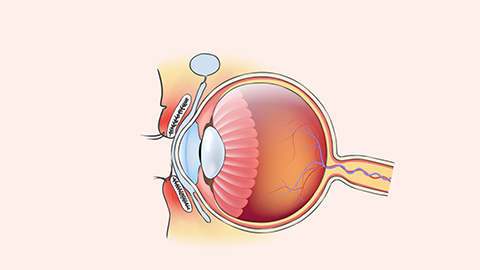
The three most common refractive errors are myopia, hyperopia, and astigmatism. Astigmatism arises from an irregularly shaped cornea, causing incoming light rays to fail to converge properly onto the retina, resulting in blurred or double vision. Most cases of astigmatism are congenital—the cornea is irregular at birth. Typically, such astigmatism remains stable over time, so patients need not be overly concerned. However, a marked increase in astigmatism may indicate underlying corneal pathology altering corneal shape, warranting prompt medical evaluation to identify the cause.
Patients are advised to engage regularly in outdoor activities and maintain healthy sleep-wake habits. We hope this information proves helpful.



