Can a 20-year-old develop cataracts?
Jun 29, 2022
Source: Cainiu Health

Dr. Chen You
Introduction
Cataract patients in their twenties are not uncommon in clinical practice. In daily work, cataracts may occasionally be encountered in individuals in their twenties, teens, or even thirties. Since cataracts have numerous etiologies, they can be broadly categorized into congenital and developmental types. In these patients, cataracts may not have been severe prior to young adulthood.
In real life, as people age, many patients develop cataracts to varying degrees, significantly disrupting their daily lives—some may even become partially blind. So, can a 20-year-old develop cataracts?
Can a 20-Year-Old Develop Cataracts?
Clinically, cataract patients in their twenties are not uncommon. In routine practice, ophthalmologists occasionally encounter cataracts in individuals in their twenties, teens, or even thirties. Cataracts have multiple etiologies: one type is congenital cataract, and another is developmental cataract. Although these patients may not have exhibited severe cataracts earlier in life, the condition may progressively worsen, with symptoms emerging gradually during their twenties—thus, cataract onset at age 20 is not exceptionally rare and is indeed encountered in clinical practice. Contributing factors are diverse: trauma, systemic metabolic disorders—including type 1 diabetes or nephritis—as well as oral-facial-digital syndrome (a genetic disorder sometimes associated with “oral hydrops”). Therefore, cataracts in individuals in their twenties are relatively common.
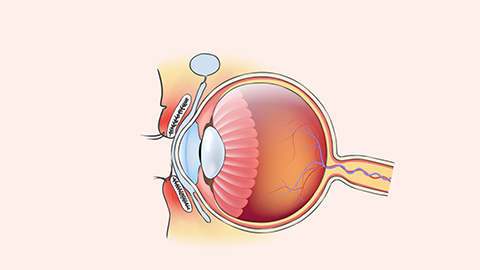
Cataracts refer to clouding of the eye’s natural lens. If diagnosed in a person in their twenties, it is often indicative of a congenital cataract. If visual acuity is severely impaired, cataract surgery is typically recommended. However, if vision remains relatively good, regular follow-up examinations at an ophthalmology clinic are advised. The underlying cause may be congenital or acquired—for instance, poor ocular hygiene. Surgical intervention should be considered only if visual function is significantly compromised.
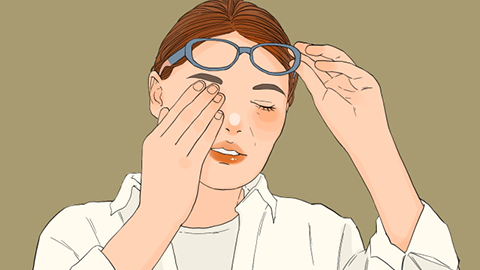
Patients are advised to avoid excessive eye strain in daily life—particularly prolonged screen time on electronic devices—and to take appropriate measures to protect their eyes. We hope this information proves helpful.