Can cataracts occur at age 20?
Jun 29, 2022
Source: Cainiu Health

Dr. Chen You
Introduction
Cataracts can occur even in individuals as young as 20 years old; in clinical practice, patients in their twenties with cataracts are not uncommon. In routine clinical work, cataracts may occasionally be encountered in patients in their twenties, teens, or even thirties. Since cataracts have multiple etiologies, they can be classified, for example, as congenital cataracts or developmental cataracts.
Our understanding of cataracts has deepened significantly. Cataracts are an ophthalmic condition with several distinct types, including complicated cataracts, traumatic cataracts, metabolic cataracts, senile cataracts, and congenital cataracts. Because their underlying causes vary, appropriate preventive measures must be adopted accordingly. So, can a 20-year-old develop cataracts?
Can a 20-year-old develop cataracts?
Yes, cataracts can occur even at age 20. In clinical practice, patients in their twenties diagnosed with cataracts are not uncommon. In daily practice, ophthalmologists occasionally encounter cataract cases in individuals in their twenties, teens, or even thirties. Cataracts arise from multiple causes: one type is congenital cataracts, while another is developmental cataracts. Affected individuals may not exhibit severe cataracts during childhood—often before age ten—but as the condition progressively worsens, symptoms typically emerge during the twenties, and cataracts may become clinically apparent at that time.
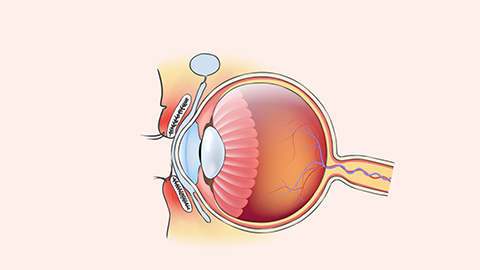
A cataract refers to clouding of the eye’s lens. If diagnosed in a person in their twenties, it is likely a congenital cataract. If visual acuity is severely impaired, cataract surgery may be necessary. However, if vision remains relatively good, regular follow-up examinations at the hospital are recommended. The condition may stem from congenital factors or other causes—such as poor ocular hygiene. Surgical intervention should be considered if normal vision is significantly affected.

In daily life, patients should maintain a positive mindset, actively cooperate with their physicians during treatment, take prescribed medications on schedule and in the correct dosage, and pay close attention to routine eye care—thus facilitating prompt improvement of their condition. We hope this information proves helpful.