


Is acquired astigmatism hereditary?
Jun 29, 2022
Source: Cainiu Health

Dr. Chen You
Introduction
Acquired astigmatism is not hereditary. However, congenital astigmatism may be inherited, as astigmatism is associated with many fundamental ocular conditions. Many individuals have astigmatism due to a family history of the condition; children from families with such a history are at higher risk of developing astigmatism. Thus, astigmatism can be readily inherited—similar to how tall stature tends to run in families, with offspring often being taller.
In daily life, astigmatism is a highly prevalent eye condition. Most people are familiar with it, yet its occurrence significantly disrupts healthy living and carries a certain degree of heritability. It is crucial to take astigmatism seriously, as it can substantially impact daily life. Prompt correction is therefore essential. But does acquired (or “postnatal”) astigmatism get passed on genetically?
Is acquired astigmatism hereditary?
Acquired astigmatism is not hereditary. However, congenital astigmatism may be inherited. Astigmatism is associated with numerous fundamental ocular anatomical and physiological factors. Many individuals develop astigmatism due to a familial history of the condition; children from families with such a history are at higher risk. Thus, astigmatism often runs in families—similar to how tall stature tends to recur across generations in tall families. In contrast, acquired astigmatism arises from external factors—for instance, improper use of the eyes during childhood, ocular trauma, or eye disease—which can alter the eye’s structural integrity, causing the corneal surface to become irregular or uneven, thereby inducing astigmatism.
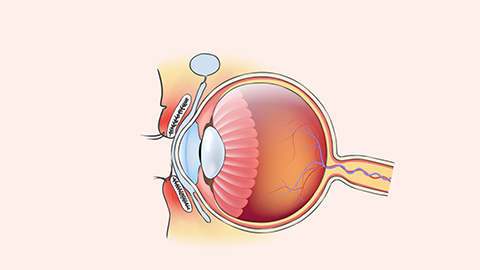
When astigmatism develops, the first step is to determine whether other family members have it. If no one in the family has astigmatism, the best course of action is to visit an ophthalmologist for evaluation of the cornea and lens to rule out underlying pathology. Refraction testing should then be performed under medical supervision to identify the specific type of astigmatism. Many patients with astigmatism are influenced by genetic factors—e.g., if one or both parents have pronounced astigmatism, their children face a markedly elevated risk compared to children from families without such a history.

We recommend that patients maintain healthy visual habits in daily life: keep the eyes clean, avoid prolonged exposure to electronic screens, and seek timely medical attention when symptoms worsen. Treatment should always follow professional guidance tailored to the individual case. We hope this information proves helpful to you.




