


What Are the Symptoms of Astigmatism?
Jun 29, 2022
Source: Cainiu Health

Dr. Chen You
Introduction
Astigmatism is associated with symptoms such as decreased visual acuity, eye strain, and keratoconus. One of the most characteristic symptoms of astigmatism is reduced visual acuity. As a type of refractive error, astigmatism results from irregularities in the eye’s refractive power and abnormal image formation on the retina, potentially leading to a significant decline in vision. In such cases, not only distant objects appear blurry, but nearby objects may also become indistinct.
Due to significant changes in lifestyle and work patterns, people are now almost inseparable from electronic devices. Frequent and excessive use of the eyes naturally leads to a range of visual problems. Many individuals may discover astigmatism during routine vision examinations—but often remain unaware of its typical clinical symptoms. So, what are the symptoms of astigmatism?
What Are the Symptoms of Astigmatism?
Astigmatism can cause decreased visual acuity, eye strain, and keratoconus, among other symptoms. One of the most characteristic manifestations is reduced visual acuity. As a type of refractive error, astigmatism results from irregularities in corneal or lens curvature, leading to abnormal retinal image formation and consequently significant visual impairment. In such cases, not only distant objects appear blurry, but nearby objects may also lack clarity. However, the degree of visual loss varies depending on the severity and type of astigmatism; thus, affected individuals experience differing levels of visual impairment. To see more clearly, some patients unconsciously adopt compensatory behaviors—such as squinting, tilting the head, or developing strabismus. Yet these adaptations frequently induce eye fatigue, dryness, and ocular discomfort. Particularly for those who rely heavily on their vision, habitual squinting may exacerbate myopia.
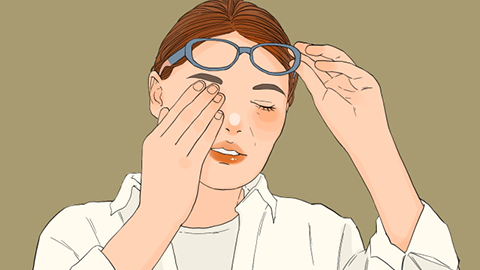
Astigmatism may stem from pathological changes in the cornea or lens. Such abnormalities often trigger a cascade of corneal functional disorders, with keratoconus being relatively common. In severe cases, it may even lead to corneal opacification or early-onset senile cataracts. Individuals with astigmatism commonly report blurred vision—objects appear distinctly hazy, making clear visual perception difficult. Many patients develop headaches and dizziness from sustained efforts to focus, which may further contribute to strabismus, amblyopia, or irregular lens curvature—ultimately inflicting substantial harm upon the eyes.

Consume more foods rich in vitamin C. Vitamin C is one of the essential components of the eye’s crystalline lens. Deficiency in vitamin C increases susceptibility to cataracts and lens opacities. Excellent dietary sources include a wide variety of fresh vegetables and fruits. We hope this information proves helpful to you.


