


What Are the Symptoms of Astigmatism?
Jun 29, 2022
Source: Cainiu Health

Dr. Chen You
Introduction
In fact, astigmatism is very common. The most frequent symptoms of astigmatism include photophobia, excessive tearing, blurred vision, and double shadows; glare around lights—especially at night—is also typical. In such cases, prompt hospital evaluation with cycloplegic refraction is essential to determine the true refractive status and the degree of astigmatism. If the astigmatism is severe…
For individuals with astigmatism, corrective eyeglasses specifically designed to address astigmatism are typically required. However, many people have limited understanding of the adverse clinical manifestations associated with astigmatism. Failure to seek evaluation and treatment at an ophthalmology clinic following the onset of astigmatism may lead to its progression. So, what are the common signs and symptoms of astigmatism?
What Are the Clinical Manifestations of Astigmatism?
In fact, astigmatism is very common. Its most frequent symptoms include photophobia (light sensitivity), excessive tearing, blurred vision, and double or ghost images—particularly noticeable as glare around lights at night. These symptoms often indicate astigmatism. In such cases, prompt hospital visit for cycloplegic refraction is essential to accurately assess the true refractive status and degree of astigmatism. If high astigmatism is detected, corneal topography must be performed to rule out keratoconus—a pathological corneal disorder characterized by significant astigmatism and poor visual acuity even with correction. Early diagnosis is critical in such cases; therefore, never overlook or dismiss suspected astigmatism. Moreover, appropriate corrective eyewear—either spectacles or orthokeratology (ortho-k) lenses—must be prescribed and worn consistently to effectively correct astigmatism.
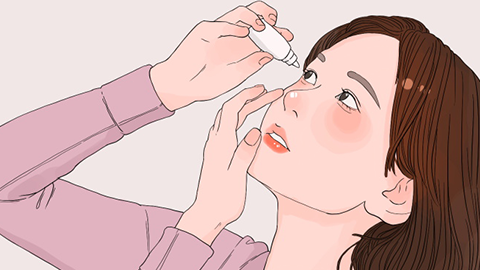
The primary methods for correcting astigmatism are orthokeratology (ortho-k) lenses and conventional spectacle lenses—both well-established and widely used interventions. With proper management, these approaches can effectively alleviate or control progression of astigmatism, stabilize refractive error, and prevent significant deterioration in visual acuity. Additionally, patients should cultivate healthy ocular habits and maintain good eye hygiene: avoid prolonged screen time on smartphones or computers, prioritize adequate rest, and refrain from chronic sleep deprivation.
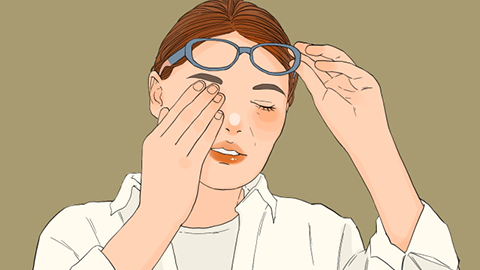
Patients are advised to ensure sufficient rest, follow a light and bland diet, avoid spicy or irritating foods, and undergo regular follow-up examinations. We hope this information proves helpful to you.


