


Can hyperopic astigmatism be treated?
Jun 29, 2022
Source: Cainiu Health

Dr. Chen You
Introduction
Hyperopic astigmatism can be treated. It is an eye condition caused by refractive error, wherein objects cannot be properly focused on the retina. Typically, distant objects appear blurry, while nearby objects appear even more blurred—significantly impairing normal daily life and work. Moreover, once hyperopic astigmatism develops, it is essential to promptly correct unhealthy visual habits and initiate appropriate treatment as soon as possible.
When both hyperopia (farsightedness) and astigmatism are present simultaneously, the condition is termed “hyperopic astigmatism.” In severe cases, patients may experience blurred vision at both near and far distances. If left untreated, children with hyperopic astigmatism are at risk of developing amblyopia (“lazy eye”). In middle-aged adults, the accommodative capacity—the eye’s ability to focus—typically declines with age, significantly impacting daily life. So, can hyperopic astigmatism be treated?
Can Hyperopic Astigmatism Be Treated?
Yes, hyperopic astigmatism is treatable. It is a refractive disorder in which light rays fail to converge properly on the retina, resulting in blurred vision. Typically, distant objects appear blurry, while nearby objects appear even more indistinct—severely interfering with normal daily activities and work performance. Once diagnosed, it is essential to promptly correct unhealthy visual habits and initiate appropriate treatment to effectively restore visual acuity and achieve optimal correction.
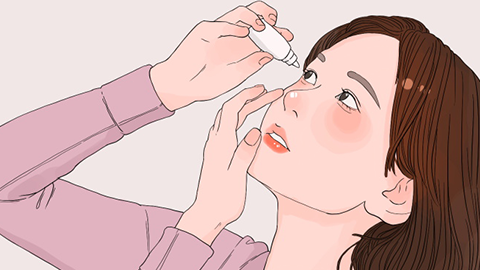
If the degree of hyperopia and astigmatism is relatively mild—within ±50 diopters—treatment may not be necessary. Maintaining good ocular hygiene, avoiding prolonged reading under intense sunlight or in dim lighting, and allowing adequate rest may gradually restore visual function. For cases requiring correction, spectacles are commonly prescribed. In particular, children diagnosed with hyperopic astigmatism must undergo cycloplegic refraction (dilated eye exam) to obtain an accurate prescription and wear appropriately fitted glasses to prevent amblyopia. Generally, the optimal window for treating hyperopic astigmatism in children is before age eight. Prior to age six, comprehensive eye examinations should be conducted every six months; thereafter, annual exams are recommended. Based on examination results, spectacle prescriptions can be updated as needed to ensure effective visual correction.

In daily life, patients should maintain a positive attitude, actively cooperate with medical treatment, and prioritize routine eye care to facilitate timely improvement of their condition. We hope this information has been helpful.



