


Is astigmatism in children serious?
Jun 29, 2022
Source: Cainiu Health

Dr. Chen You
Introduction
Astigmatism in children is a serious concern. It can be corrected and its progression controlled through appropriate treatment. Once astigmatism is detected in a child, prompt cycloplegic refraction at a hospital is essential, followed by prescription and wearing of appropriately powered corrective glasses—this also helps prevent amblyopia. Not wearing glasses increases the risk of visual fatigue, causes squinting, and leads to frequent eye rubbing.
There are multiple causes of astigmatism, the most common being changes in the curvature of the cornea. After developing astigmatism, individuals may experience various adverse symptoms, including blurred vision, visual fatigue, and—among some patients—dizziness. So, is astigmatism in children a cause for concern?
Is astigmatism in children a cause for concern?
Yes, astigmatism in children is indeed concerning. With appropriate treatment, visual acuity can be corrected and progression of the refractive error controlled. Once astigmatism is detected in a child, prompt cycloplegic refraction at a hospital is essential, followed by prescription and fitting of appropriately powered corrective glasses. This approach also helps prevent amblyopia (lazy eye). Failure to wear prescribed glasses increases the risk of visual fatigue; children may then squint or frequently rub their eyes, which can worsen corneal irregularity and further increase astigmatism.
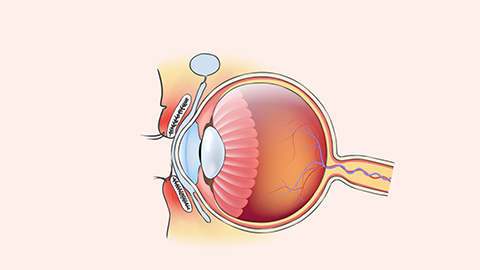
Routine eye hygiene should also be emphasized: conditions such as trichiasis (in-turned eyelashes) or allergic conjunctivitis require timely treatment. Screen time from electronic devices should be minimized, while outdoor activities should be encouraged. Once refractive error stabilizes, laser refractive surgery may be considered to eliminate dependence on spectacles. Astigmatism arises from inconsistent curvature of either the cornea or the lens, resulting in corresponding symptoms of blurred vision and visual fatigue. Significant astigmatism should be corrected promptly; otherwise, it may impair visual development in children and lead to amblyopia.

Young children typically undergo correction with spectacles. Older children with good compliance may be candidates for contact lenses. Following diagnosis, accurate cycloplegic refraction must be performed. We hope this information proves helpful to you.



