


Can astigmatism be inherited across generations?
Jun 29, 2022
Source: Cainiu Health

Dr. Chen You
Introduction
Astigmatism can be hereditary. It also varies in severity, as it is a type of refractive error: astigmatism under 200 diopters is classified as mild to moderate, while astigmatism exceeding 200 diopters is considered high astigmatism. In clinical practice, it is common to see parents bringing their children for evaluation and discovering that the child has congenital astigmatism, typically ranging from approximately 200 to 300 diopters.
Many people have astigmatism, which can significantly impair normal vision. Objects appear consistently blurry, and double shadows may even occur—causing considerable difficulties in daily learning and work. So, is astigmatism hereditary?
Is Astigmatism Hereditary?
Astigmatism can indeed be hereditary. It varies in severity, as it is a type of refractive error: astigmatism under 200 diopters is classified as mild-to-moderate, while astigmatism exceeding 200 diopters is considered high astigmatism. In clinical practice, it is common to see parents bringing their children for evaluation, where congenital astigmatism—typically around 200–300 diopters—is diagnosed. Often, the parents then report having astigmatism themselves or disclose that one or both biological parents also have astigmatism.
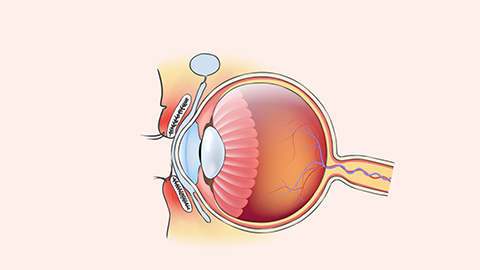
Observations across numerous families suggest a certain degree of heritability in astigmatism. For instance, when parents have high astigmatism (i.e., over 200–300 diopters—or even higher), their children often exhibit relatively substantial astigmatic refractive errors. However, because relatively few studies have been conducted on this topic to date, specific genetic loci or associated genes responsible for this inheritance pattern have not yet been conclusively identified.
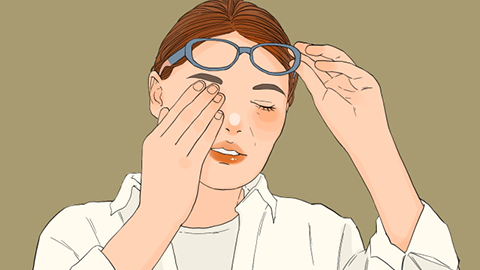
This hereditary tendency in astigmatism has indeed been observed clinically. Therefore, parents with high astigmatism should ensure regular ophthalmologic follow-ups for their children after birth and closely monitor their visual development. Since astigmatism may be inherited, we hope this explanation proves helpful to you.






