


What are the effects of high astigmatism?
Jun 29, 2022
Source: Cainiu Health

Dr. Chen You
Introduction
High astigmatism can lead to abnormal head and eye positioning, visual disturbances, dizziness, and nausea. Many patients have astigmatism in both eyes, but the degree often differs between the two eyes. To see nearby objects more clearly, they may adopt a head-tilting posture. Prolonged use of this compensatory strategy can result in strabismus and torticollis—conditions that particularly affect facial aesthetics. To better visualize distant objects, some patients frequently adopt a partially deviated (squinting) gaze.
Astigmatism is a common condition. Generally, adolescents in their learning years and elderly individuals are at higher risk for developing astigmatism. This condition not only impairs daily functioning but may also lead to complications or other ocular diseases; in severe cases, it can even threaten life and overall health. Therefore, timely intervention and treatment of astigmatism are essential. But what impact does high astigmatism have?
Effects of High Astigmatism
High astigmatism can cause abnormal head and eye positioning, visual disturbances, dizziness, nausea, and other symptoms. Many patients have astigmatism in both eyes, but the degree often differs between the two eyes. To see objects more clearly, they may tilt their heads—a habit that, if sustained over time, can lead to strabismus (misalignment of the eyes) and torticollis (wry neck), adversely affecting facial aesthetics. To better view distant objects, some patients adopt a partially squinting posture and may use pinhole or slit techniques to improve visual acuity. Prolonged use of such compensatory strategies may eventually result in habitual partial eyelid closure.
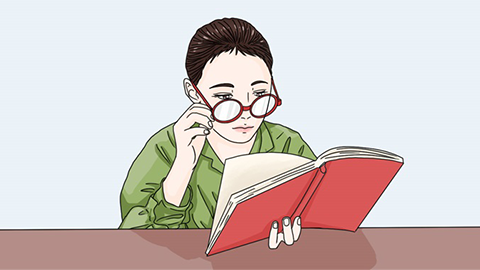
When reading, attention should be paid to appropriate lighting—neither too dim nor too bright. Insufficient light makes text difficult to discern, while excessive brightness may cause glare and discomfort, potentially damaging the eyes. Additionally, reading or writing while lying down is discouraged. Furthermore, font size should be carefully considered: excessively small print may increase intraocular pressure and strain the eyes.
In daily life, cultivating healthy lifestyle and dietary habits is crucial. We hope this information proves helpful to you.





