Is June a peak season for conjunctivitis?
Jun 29, 2022
Source: Cainiu Health

Dr. Chen You
Introduction
June is a peak season for conjunctivitis. Conjunctivitis is a seasonal ocular infectious disease, with peak incidence occurring primarily in spring and summer. During these two seasons, bacteria and viruses enter their peak reproductive periods, making the eyes more susceptible to bacterial or viral invasion and subsequent infection. In particular, during summer, many people enjoy visiting public swimming pools.
Conjunctivitis (commonly known as “pink eye”) is a common ocular infectious disease—but it is not something to fear. As long as proper eye hygiene is maintained—such as avoiding sharing handkerchiefs or using handkerchiefs that have touched the face or eyes—the risk of infection can be significantly reduced. Patients diagnosed with conjunctivitis should not panic; instead, they should keep their eyes clean and take prescribed medications regularly. Is June a peak season for conjunctivitis?
Is June a peak season for conjunctivitis?
Yes, June is indeed a peak season for conjunctivitis. This ocular infectious disease exhibits distinct seasonal patterns, with highest incidence occurring during spring and summer. During these seasons, bacteria and viruses proliferate more actively, making the eyes more susceptible to bacterial or viral invasion and subsequent infection. In particular, many people enjoy visiting public swimming pools in summer. If an individual with active conjunctivitis swims in such a pool, their ocular secretions may contaminate the water and infect others. Thus, summer—especially June—is considered a high-risk period for conjunctivitis, largely due to hot weather prompting widespread swimming activity.
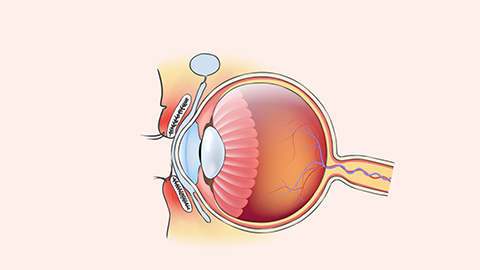
Pool water serves as an ideal transmission medium for conjunctivitis, underscoring the importance of enhanced eye protection. Conjunctivitis often has a prolonged course and complex etiology; if left untreated or inadequately managed over time, it may lead to multiple complications, significantly impacting patients’ quality of life. Children with conjunctivitis commonly experience symptoms including ocular pruritus (itching), increased discharge, redness and swelling of the eyes, conjunctival hyperemia (congestion), epiphora (excessive tearing), photophobia (light sensitivity), conjunctival edema, or subconjunctival hemorrhage.

In daily life, patients should maintain a positive mindset and actively cooperate with their physicians’ treatment plans. It is essential to take medications on schedule and at the prescribed dosage, while also adhering to appropriate daily care measures to facilitate prompt symptom improvement. We hope this information proves helpful to you.