


What causes hyperopia combined with astigmatism in toddlers?
Jun 29, 2022
Source: Cainiu Health

Dr. Chen You
Introduction
Hyperopia combined with astigmatism in young children primarily refers to a refractive error—i.e., abnormal vision below the normal level. Clinically, children may present with hyperopic astigmatism; if severe, it can even lead to amblyopia. Hyperopia and astigmatism are common refractive errors encountered in ophthalmologic practice, resulting from the combined effects of both congenital (genetic) and acquired (environmental) factors.
Many children pay insufficient attention to their eye health. Excessive use of video games, tablets, and smartphones in daily life has led to numerous vision problems—including myopia (nearsightedness), hyperopia (farsightedness), and astigmatism.
What Causes Hyperopia Combined with Astigmatism in Young Children?
Hyperopia combined with astigmatism in young children primarily refers to a refractive error—i.e., abnormal visual development resulting in subnormal visual acuity. Clinically, this condition is termed “hyperopic astigmatism.” When severe, it may even lead to amblyopia (lazy eye). Both hyperopia and astigmatism are common refractive errors encountered in ophthalmology. Their etiology typically involves a combination of congenital genetic factors and acquired environmental influences. Clinically, hyperopic astigmatism is generally considered to arise from inherited genetic predisposition; however, poor visual habits acquired later in life can exacerbate its progression.
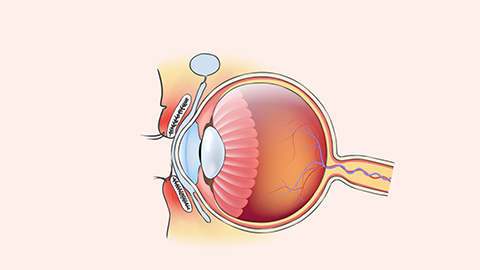
Hyperopia combined with astigmatism is a frequently observed refractive disorder among children. Hyperopia occurs when the eye’s anterior-posterior axis is too short or when the refractive power of the ocular optical system is insufficient, causing light rays to converge behind the retina. Astigmatism results from an asymmetrical curvature of the cornea along different meridians—present from birth—which causes incoming light to focus as a dispersed blur rather than a sharp point on the retina.
In daily life, patients should maintain a positive mindset, actively cooperate with their physicians during treatment, take prescribed medications as directed (both in dosage and timing), and adhere to proper daily eye care practices—so that clinical improvement may occur as promptly as possible. We hope this information proves helpful.



