Early Symptoms of Encephalitis in Children
Jul 07, 2022
Source: Cainiu Health

Dr. Xie Zixing
Introduction
The main symptoms of pediatric encephalitis include persistent high fever, altered mental status, respiratory tract infection, and other manifestations. Early signs of pediatric encephalitis often involve persistent high fever, nausea, vomiting, and, in some children, seizures. If a child exhibits these symptoms, prompt medical evaluation—including cerebrospinal fluid (CSF) analysis—is essential to confirm the diagnosis.
Pediatric encephalitis is an inflammatory infectious disease of the nervous system, most commonly caused by viral infection. When inflammation primarily affects the meninges, the clinical presentation is typically viral meningitis; when the brain parenchyma is predominantly involved, the condition manifests clinically as viral encephalitis. The main symptoms include the following:
1. Persistent high fever: Early signs of pediatric encephalitis often include persistent high fever, nausea, vomiting, and—occasionally—seizures. Children exhibiting these symptoms should be promptly taken to a hospital for cerebrospinal fluid (CSF) analysis to confirm diagnosis. Some patients may also present with lacrimation, rhinorrhea, conjunctival injection, and photophobia.
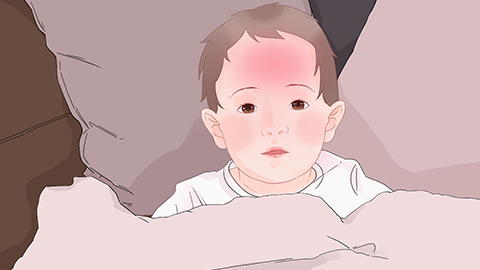
2. Altered mental status: Confusion or impaired consciousness is a hallmark symptom of pediatric encephalitis, reflecting underlying cerebral dysfunction. If a child exhibits confusion, drowsiness, or lethargy, parents must take this seriously—these symptoms should never be dismissed as ordinary fatigue or mild drowsiness. Early recognition and prompt treatment are critical for optimal outcomes.
3. Respiratory tract infection: Respiratory symptoms—including dyspnea, common cold manifestations, and cough—are also typical features of pediatric encephalitis. Parents should seek immediate medical evaluation if their child develops such respiratory symptoms, to prevent disease progression and potential complications.
4. Other manifestations: Affected children frequently display irritability, anorexia, and general malaise. As the disease advances, neuropsychiatric symptoms may emerge, including apathy, listlessness, and excessive somnolence.