Can an 18-year-old develop cataracts?
Jul 08, 2022
Source: Cainiu Health

Dr. Chen You
Introduction
In fact, young individuals as young as 18 may develop cataracts, although the probability is very low. The causes of cataracts are highly complex. In younger patients, cataracts are often linked to ultraviolet (UV) radiation exposure. During summer, when sunlight is particularly intense, wearing sunglasses outdoors is recommended to minimize UV damage to the eyes—this can effectively help mitigate disease progression.
In real life, as people age, many patients develop cataracts to varying degrees, significantly disrupting their daily lives. Some patients may even reach a state of partial blindness. So, can an 18-year-old develop cataracts?
Can an 18-Year-Old Develop Cataracts?
In fact, young individuals aged 18 can indeed develop cataracts, although the probability is very low. The etiology of cataracts is highly complex. If a young person develops cataracts, ultraviolet (UV) radiation is often a likely contributing factor. During summer, when sunlight is particularly intense, wearing sunglasses outdoors is strongly recommended to minimize UV damage to the eyes—this can effectively help mitigate disease progression.
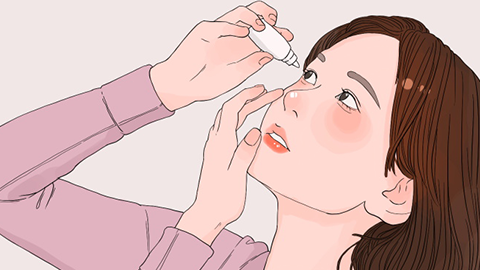
An 18-year-old diagnosed with cataracts typically requires pharmacological management to control the condition. Generally, traditional Chinese herbal medicines may be prescribed. Based on the patient’s specific clinical presentation, appropriate herbal formulas can be selected and decocted in water for oral administration, which may help alleviate symptoms effectively. However, medications—including herbal remedies—must never be used indiscriminately or without medical supervision, as inappropriate use can cause significant harm to the body. Furthermore, throughout treatment, regular follow-up visits to the hospital are essential. Should the condition worsen, prompt surgical intervention should be considered to prevent further deterioration. While surgery is highly effective, it carries substantial risks; therefore, careful evaluation and informed decision-making are crucial before proceeding.

We should proactively prevent cataracts in daily life and never neglect our personal health. Once cataracts are detected, timely attention is vital. Medication can help manage early-stage disease, while advanced or severe cases may warrant surgical intervention to restore vision and halt progression. We hope this information proves helpful to you.