What should I do if my 18-year-old molar is decayed and hollowed out?
Jul 27, 2023
Source: Cainiu Health

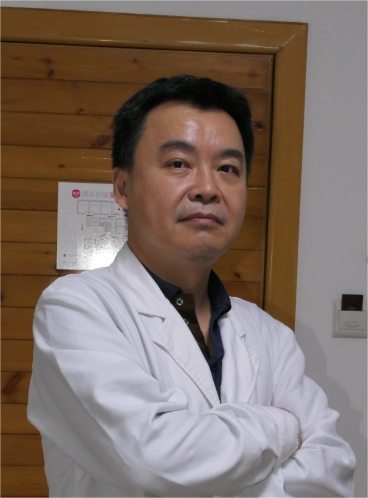
Dr. Zhang Liwen
Introduction
In general, when an 18-year-old molar is decayed or severely damaged, treatment options may include fillings, root canal therapy, crown restoration, orthodontic braces, tooth extraction followed by dental implantation, among others. Specifically, patients are advised to visit the dental department of a reputable hospital, where a dentist will examine the condition, evaluate the severity, and recommend an appropriate treatment plan to facilitate recovery.
In general, when an 18-year-old molar is decayed or severely damaged, treatment options may include fillings, root canal therapy, crown restoration, dental crowns (caps), tooth extraction and dental implants. Specific details are as follows:
1. Fillings
If the tooth has a small cavity or mild decay, the dentist may recommend a filling. During this procedure, the dentist removes the damaged tissue and fills the cavity with a dental restorative material—such as composite resin—to restore the tooth's shape and function.
2. Root Canal Therapy
If decay has reached the dental pulp, root canal treatment may be necessary. In this procedure, the infected pulp tissue is removed, and the root canal is cleaned and filled with a sealing material to protect the tooth and prevent further spread of infection.
3. Crown Restoration
If the tooth damage is extensive, a crown restoration may be required. A crown is an artificial cap that covers the entire tooth, restoring both its appearance and function.
4. Dental Crown (Cap)
If the molar is mostly destroyed but only a hollow shell remains and the tooth root is relatively intact, the damaged portion can be removed and a dental crown placed over the remaining structure.
5. Tooth Extraction and Dental Implant
If the tooth decay is too severe and the tooth cannot be saved, it is recommended to visit a reputable hospital for evaluation. The affected tooth may need to be extracted and replaced with a dental implant to restore normal dental function.
Patients are advised to seek care at the dentistry department of a qualified medical institution. After examination and assessment of the condition, a professional dentist can determine the most appropriate treatment plan, which will aid in recovery.