


What to Eat for Orthostatic Hypotension
Jul 12, 2022
Source: Cainiu Health

Dr. Li Man
Introduction
Patients with orthostatic hypotension should, as part of a normal diet, focus on consuming nutrient-rich foods—exactly the opposite approach recommended for hypertension. Specifically, they may appropriately increase intake of cholesterol-rich foods such as brain tissue and pork bones. Fruits like lotus seeds, longan arils, and mulberries are also beneficial, as they nourish the heart, invigorate the blood, enhance brain function, and tonify the kidneys. In cases of anemia characterized by reduced red blood cell count and insufficient hemoglobin, additional dietary or medical interventions may be required.
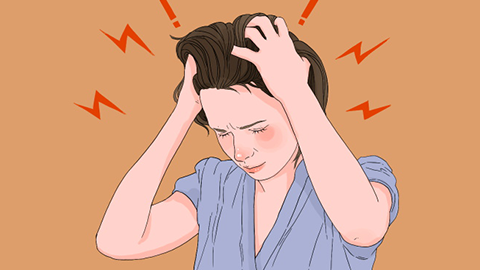
Orthostatic hypotension is a manifestation of abnormal blood pressure regulation and is relatively common among older adults. It primarily presents as dizziness, blurred vision, or even syncope shortly after rapidly standing up. So, what should individuals with orthostatic hypotension eat?
Dietary Recommendations for Orthostatic Hypotension
Patients with orthostatic hypotension should maintain a nutritionally rich diet—essentially the opposite of dietary recommendations for hypertension. Specifically, they may benefit from moderately increasing intake of cholesterol-rich foods such as brain tissue, liver, eggs, butter, and pork bones. Fruits such as lotus seeds, longan fruit, jujubes (Chinese dates), and mulberries are also recommended.
These foods help nourish the heart, enrich the blood, enhance brain function, and tonify the kidneys. In cases of anemia caused by low red blood cell count or insufficient hemoglobin, patients should consume foods rich in hematopoietic nutrients—including protein, iron, copper, folic acid, vitamin B12, and vitamin C—such as egg yolks, pork liver, lean meat, milk, soybeans, and fish.
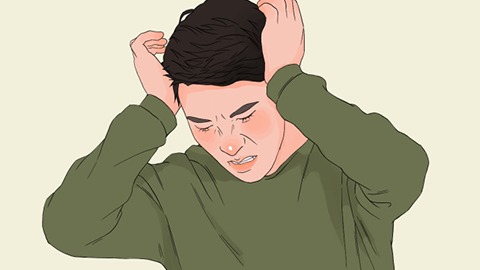
Orthostatic hypotension refers to a drop in blood pressure triggered by postural change—particularly upon assuming an upright position—which leads to inadequate cerebral perfusion and symptoms such as dizziness or syncope. Clinically, it is diagnosed when a patient’s systolic blood pressure decreases by ≥20 mmHg or diastolic blood pressure drops by ≥10 mmHg within three minutes of transitioning from supine to standing position. We hope this information proves helpful!





