


How is cervical cancer treated?
Jul 14, 2022
Source: Cainiu Health

Dr. Lv Aiming
Introduction
Cervical cancer can be treated with medications or surgery. Commonly used drugs for cervical cancer include cisplatin, carboplatin, paclitaxel (a taxane), fluorouracil, and ifosfamide. Additionally, targeted therapies and immunotherapies are employed—primarily monoclonal antibody drugs—that deliver treatment precisely to identified molecular targets and harness specific immune cells within the body to combat cancer cells.
Cervical cancer is a highly prevalent disease among women and poses significant health risks. Once diagnosed, prompt treatment is essential. So, how is cervical cancer treated?
How Is Cervical Cancer Treated?
Cervical cancer can be treated with medications or surgery. Commonly used chemotherapeutic agents include cisplatin, carboplatin, paclitaxel (a taxane), fluorouracil, and ifosfamide. Additionally, targeted therapies and immunotherapies—primarily monoclonal antibody drugs—are employed. These agents deliver precise, site-specific treatment and harness the body’s own immune cells to combat cancer cells, mainly for recurrent or advanced-stage cervical cancer.
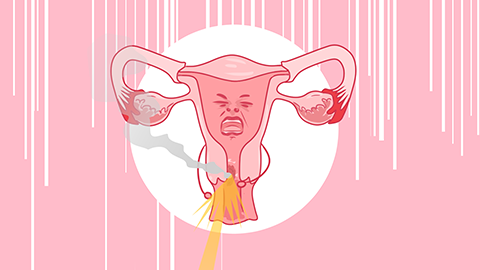
Surgical treatment is primarily indicated for early-stage cervical cancer. The choice of surgical procedure depends on tumor stage, patient age, and histopathological type. Common surgical options include conization of the cervix—such as cold-knife conization and loop electrosurgical excision procedure (LEEP)—which involves cone-shaped excision of the affected tissue from the outer surface inward. Other procedures include total hysterectomy, radical hysterectomy (with comprehensive removal of regional lymph nodes), modified radical hysterectomy, and radical trachelectomy.

During treatment, regular follow-up visits to the hospital are necessary to monitor recovery progress. Patients should also adopt a dietary pattern of eating smaller, more frequent meals. We hope this information is helpful to you!







