


How to relieve itching from heat rash
Jul 28, 2022
Source: Cainiu Health

Dr. Liu Wan
Introduction
If itching occurs during the prolonged pricking phase, appropriate anti-itch measures should be taken—primarily to maintain skin dryness during this phase, which often significantly alleviates itching. In most cases, topical application of Sichuan pepper (Zanthoxylum bungeanum) powder may be used; alternatively, talcum powder can partially mitigate the inflammatory response induced by Sichuan pepper and thereby provide some relief from itching.
In real life, some patients pay insufficient attention to personal hygiene, leading to unpleasant symptoms such as prickling sensations, which significantly impair their quality of life. When the condition is mild, prompt treatment is essential. So, how can one relieve itching caused by miliaria (heat rash)?
How to Relieve Itching from Miliaria
If itching occurs during the prickling phase, appropriate anti-itch measures should be taken—primarily aimed at keeping the skin dry during this phase, which often substantially alleviates itching. In most cases, topical application of Sichuan pepper powder may help; alternatively, talcum powder can be used to mitigate the inflammatory response and thereby ease itching to some extent. If itching persists, pharmacological treatment under a physician’s guidance may be necessary—for instance, oral antihistamines to achieve itch relief. Commonly prescribed options include desloratadine or cetirizine hydrochloride, both taken orally as directed by a healthcare provider.
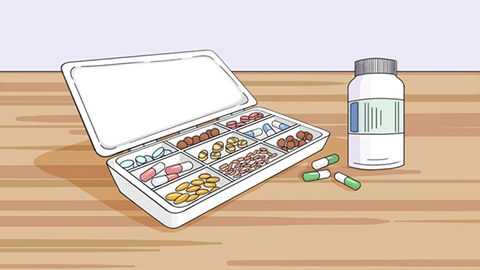
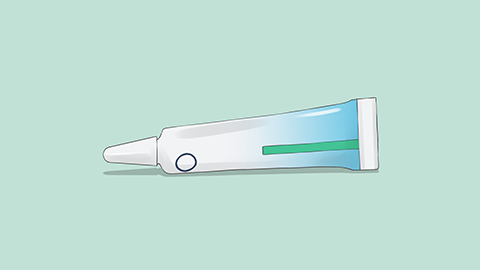
For prickling sensations, topical corticosteroid ointments—such as desonide ointment, mometasone furoate ointment, or hydrocortisone butyrate ointment—may be applied under medical supervision. Oral antiallergic medications—including levocetirizine hydrochloride capsules, chlorpheniramine maleate tablets, loratadine capsules, desloratadine citrate tablets, or loratadine syrup—may also be prescribed by a physician. In daily life, wearing cotton, light-colored shirts or underwear and ensuring good indoor ventilation are recommended.
Patients are advised to cultivate healthy lifestyle habits and maintain a balanced diet, avoiding spicy or irritating foods. We hope this information proves helpful.




