


Signs of Angina Pectoris
Jul 28, 2022
Source: Cainiu Health

Dr. Li Man
Introduction
When angina occurs, most patients exhibit symptoms such as anxiety, panic, or pain. Typical angina is localized to the palm-sized area over the precordium; a minority of patients may also experience throat tightness or upper esophageal heartburn. Some patients report jaw or tooth pain, while others experience left shoulder pain. All of these are symptoms—symptoms that are assessed and interpreted by physicians.
Many patients experiencing angina pectoris report a common sensation during an attack: a feeling of impending doom. The heart is a vital organ for all humans and animals, and must therefore be carefully protected. In addition, patients with angina should know how to administer first aid during an acute episode. So, what are the characteristics of angina pain?
Physical Signs of Angina
During an angina attack, most patients exhibit signs of anxiety, panic, or pain. Classic angina pain is typically localized to the precordial region—roughly the area covered by the palm of the hand over the chest. A minority of patients may experience tightness in the throat or a burning sensation in the upper esophagus. Some report jaw or tooth pain, while others feel pain radiating to the left shoulder. These are clinical symptoms, interpreted and assessed by physicians. Common physical signs include pallor, diaphoresis (sweating), hypertension, and tachycardia. Notably, even patients whose angina stems from right coronary artery disease may develop hypotensive shock, manifesting as pallor, diaphoresis, bradycardia, hypotension, or even syncope.
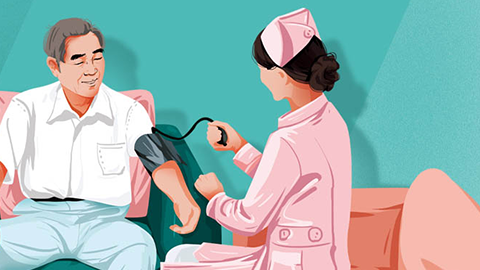
Thus, the symptoms and signs of angina depend on both the duration of the ischemic episode and the severity of stenosis in the affected coronary artery. The longer the duration—or the more critical the location—of coronary involvement, the more severe the symptoms and signs. Syncope or shock may indicate life-threatening myocardial ischemia or infarction. Therefore, if chest pain—described as stabbing, crushing, or occurring in the classic location—persists for more than 10 minutes, or is accompanied by sweating, nausea, vomiting, pallor, syncope, or presyncope, immediately call emergency services (e.g., 120 in China) and seek urgent hospital care to preserve life.
Regular physical activity helps reduce stress, control body weight, lower blood pressure, and increase levels of high-density lipoprotein (HDL) cholesterol—the “good” cholesterol. Before initiating a walking or other exercise program, patients should consult their physician to determine appropriate, safe forms of physical activity. We hope this information proves helpful to you.







