Can high blood pressure cause angina?
Nov 06, 2025
Source: Cainiu Health

Dr. Tian Hongbo
Introduction
In general, whether high blood pressure causes angina depends on how well the blood pressure is controlled and whether other cardiovascular risk factors are present. If any discomfort occurs, it is recommended to seek medical attention promptly. Blood pressure should be strictly controlled in daily life, and antihypertensive medications should be taken as prescribed to avoid large fluctuations in blood pressure. Maintain a healthy lifestyle by reducing intake of high-salt and high-fat foods and engaging in regular physical activity.
Generally speaking, whether high blood pressure can cause angina depends on the level of blood pressure control and the presence of other cardiovascular disease factors. If discomfort occurs, it is recommended to seek medical attention promptly. The specific analysis is as follows:
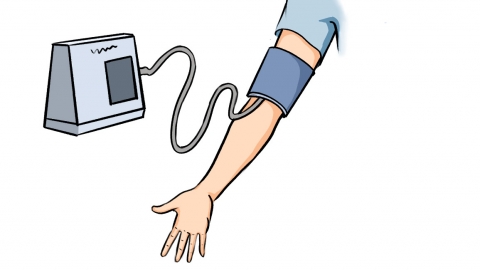
In individuals whose blood pressure is well-controlled over the long term and who do not have coexisting cardiovascular conditions such as coronary atherosclerosis or coronary heart disease, angina typically does not occur. In these individuals, blood vessels maintain good elasticity, and the coronary arteries that supply blood to the heart show no significant narrowing or blockage. Thus, the heart receives adequate blood flow to meet normal demands. Even if blood pressure is slightly elevated, myocardial ischemia or hypoxia is unlikely to occur, making symptoms of angina rare.
In contrast, individuals with poorly controlled long-term hypertension or those who already have cardiovascular diseases such as coronary atherosclerosis or coronary heart disease are more prone to developing angina. Chronic high blood pressure damages the blood vessel walls and accelerates the progression of coronary atherosclerosis, leading to narrowing or even blockage of the arteries and reduced blood supply to the heart. When other cardiovascular conditions are also present, the insufficient blood supply to the heart becomes more severe. Once myocardial ischemia and hypoxia reach a certain threshold, angina is triggered, manifesting as symptoms such as compressive chest pain and chest tightness.
It is important in daily life to strictly control blood pressure by taking antihypertensive medications as prescribed and avoiding large fluctuations in blood pressure. Maintaining a healthy lifestyle—including reducing intake of high-salt and high-fat foods, exercising regularly, quitting smoking, and limiting alcohol consumption—is essential. If symptoms suggestive of angina—such as chest pain, chest tightness, or shortness of breath—occur, one should immediately rest and seek medical care promptly to avoid delaying treatment. Regular cardiovascular check-ups should be performed to monitor health status and enable early detection and intervention.