盗汗的部位
Jul 31, 2022
Source: Cainiu Health

Dr. He Haochen
Introduction
盗汗不一定是哪个部位的汗,可能是头部出汗,颈部出汗,双下肢出汗,当然还有全身出汗。盗汗主要是由阴虚和内热引起的,阴虚和内热的程度不同,可能出汗的部位和出汗的程度也不同。因此,在调理方面,需要通过Symptoms和舌苔脉搏来判断。
Many people are unaware of what night sweats are, and some even mistakenly equate general sweating with night sweats. In fact, night sweats can, to a certain extent, reflect underlying health imbalances in the body. They commonly result from blood deficiency, qi deficiency, yin deficiency, excessive internal heat (fire), or excessive mental stress. So—where do night sweats typically occur?
Common Locations of Night Sweats
Night sweats do not necessarily occur in any single specific area; they may manifest as sweating on the head, neck, both lower limbs, or even generalized sweating over the entire body. Primarily caused by yin deficiency and internal heat, the location and severity of sweating often vary depending on the degree of yin deficiency and internal heat. Therefore, diagnosis and treatment must be guided by comprehensive assessment—including symptoms, tongue coating, and pulse characteristics. As part of daily care, one may drink herbal infusions made from *Polygonatum odoratum* (Yuzhu), *Dendrobium* (Shihu), and goji berries (Lycium barbarum). Additionally, maintain a light diet—avoiding excessive spicy, greasy, or stimulating foods—and refrain from staying up late, emotional outbursts, smoking, and alcohol consumption. Engaging in appropriate outdoor physical activity is also beneficial.
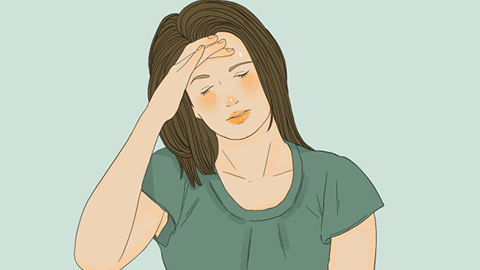
After experiencing night sweats, it is essential to promptly change into dry clothing to prevent skin irritation and secondary complications. Furthermore, maintaining optimal indoor temperature and humidity is important; individuals with a “blood-heat” constitution should ideally reside in cool, well-ventilated environments. If night sweats stem from an underlying disease, treating the primary condition is paramount. For those experiencing physiological (non-pathological) night sweats, taking a warm bath before bedtime may help. Prolonged excitement or stimulation prior to sleep—even if followed by sleep—can leave the nervous system in a state of heightened arousal, thereby increasing the likelihood of night sweats. Hence, it is advisable to remain calm before bed and avoid vigorous exercise close to bedtime.
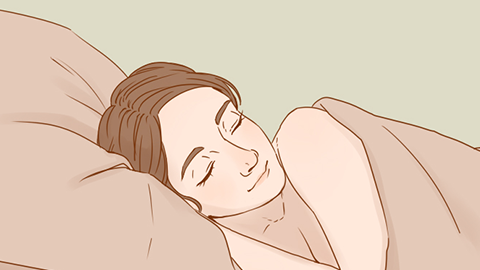
We recommend that patients adopt a light, balanced diet and engage in moderate physical activity to enhance overall immunity. We hope this information proves helpful.