


How to Determine Whether You Have Yin Deficiency or Yang Deficiency
Jul 31, 2022
Source: Cainiu Health

Dr. He Haochen
Introduction
Yin deficiency and Yang deficiency. The most direct way to distinguish between these two conditions is that individuals with Yin deficiency experience heat, whereas those with Yang deficiency feel cold—because the body normally maintains a balance between Yin and Yang. In Yin deficiency, relative excess of Yang leads to internal heat due to Yin insufficiency. In Yang deficiency, relative excess of Yin results in a sensation of coldness. Thus, Yin deficiency manifests as “heat in the five centers” (i.e., palms, soles, and chest).
Yin deficiency and yang deficiency are common syndromes in Traditional Chinese Medicine (TCM), yet most people lack a clear understanding of them—and particularly of how they differ. Although yin or yang deficiency may not cause overt discomfort initially, both can severely compromise physical health and progressively weaken one’s constitution. So how can you determine whether you have yin deficiency or yang deficiency?
How to Differentiate Between Yin Deficiency and Yang Deficiency
The most direct way to distinguish between the two is that yin deficiency typically manifests as sensations of heat, whereas yang deficiency presents with feelings of coldness—reflecting the body’s loss of yin-yang balance. In yin deficiency, relative excess of yang leads to internal “deficiency heat.” Conversely, in yang deficiency, relative excess of yin results in a sensation of cold. Thus, yin deficiency commonly presents with symptoms such as heat in the palms, soles, and chest (“five-center heat”), tidal fever, night sweats, bone-steaming fever, tinnitus or hearing loss, insomnia with vivid dreams, nocturnal emissions or premature ejaculation, soreness and weakness in the lower back and knees, a red tongue with scanty or absent coating. Under professional guidance from a TCM practitioner, treatment may include herbal formulas such as Liu Wei Di Huang Wan (Rehmannia Six Formula), Zhi Bai Di Huang Wan (Anemarrhena and Phellodendron Rehmannia Formula), Da Bu Yin Wan (Great Yin-Enriching Pill), or Zuo Gui Wan (Left-Restoring Pill). Yang deficiency, by contrast, is characterized by coldness and soreness in the lower back and knees, cold limbs (rather than warm ones), mild thirst, diminished libido, erectile dysfunction or premature ejaculation, and cold semen or spontaneous emission. Treatment options—under medical supervision—include Gui Fu Di Huang Wan (Cinnamon and Aconite Rehmannia Formula), Jin Kui Shen Qi Wan (Jin Kui Kidney Qi Pill), or Shen Bao Pian (Kidney-Tonic Tablets).
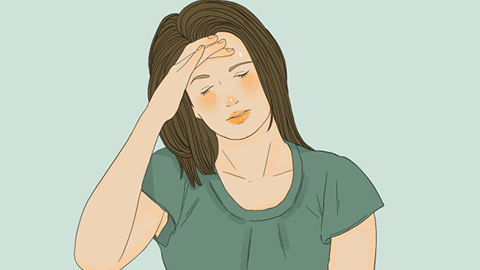
Yin deficiency primarily refers to insufficient yin fluids within the body, resulting in inadequate restraint of yang and thus generating “deficiency heat.” Typical manifestations include dry throat, five-center heat, night sweats, weight loss, flushed cheeks, dry mouth with reluctance to drink, warm (not cold) extremities, dark-yellow urine, constipation, a red tongue with little or no coating, and reduced salivary or bodily fluids. Yang deficiency reflects insufficiency of yang qi—or represents an advanced stage of qi deficiency. Its hallmark is “deficiency-cold,” presenting as aversion to cold, cold limbs, preference for warm beverages (or absence of thirst), spontaneous sweating, prolonged urination or decreased urine output, a pale or dull complexion, a pale, swollen tongue with a white, moist, slippery coating. Additionally, yang deficiency may also exhibit signs of qi deficiency, such as mental fatigue and shortness of breath.
We recommend that patients maintain healthy lifestyle habits, follow a light and balanced diet, avoid spicy and stimulating foods, and ensure adequate, high-quality sleep each day. We hope this information proves helpful to you.


