


What conditions can be detected by a color Doppler ultrasound of the uterus?
Jul 31, 2022
Source: Cainiu Health

Dr. Lv Aiming
Introduction
Transvaginal ultrasound can assess the size and shape of the uterus to determine whether they are normal, evaluate endometrial thickness, and check for uniformity of uterine echogenicity. Additionally, it can detect uterine fibroids, abnormal uterine masses, cervical cysts, and endometrial polyps. It also enables evaluation of the fallopian tubes—including patency, obstruction, and hydrosalpinx—as well as ovarian size and follicular development.
If a woman frequently experiences lower abdominal distension and pain, along with abnormal vaginal discharge, gynecological disorders should be considered. A hospital visit for transvaginal (or pelvic) color Doppler ultrasound of the uterus is recommended. But what exactly can a uterine color Doppler ultrasound detect?
What Can Uterine Color Doppler Ultrasound Detect?
Uterine color Doppler ultrasound can assess uterine size and morphology for normalcy, endometrial thickness, and uniformity of uterine echogenicity. Additionally, it can detect uterine fibroids, other abnormal uterine masses, cervical cysts, and endometrial polyps. It also provides information on the fallopian tubes—including patency, obstruction, or hydrosalpinx—as well as ovarian size and follicular development. Based on follicular growth patterns, optimal timing for intercourse can be advised. Furthermore, this examination can identify fluid accumulation within the pelvis and detect any abnormal pelvic masses. Uterine color Doppler ultrasound is widely used in gynecology and forms part of routine gynecological evaluation.
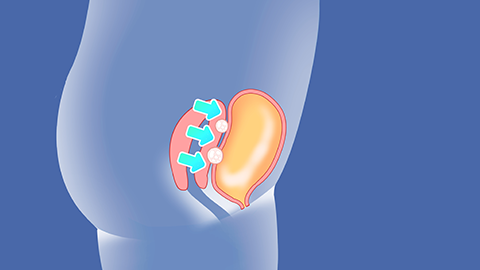
Uterine and adnexal ultrasound is one of the most common examinations performed in women, as the uterus and its associated structures are vital organs. This exam helps diagnose numerous conditions, including whether the uterus and adnexa have developed normally, whether pelvic inflammatory disease is present, or whether intrauterine polyps exist. For transabdominal uterine color Doppler ultrasound, eating or drinking beforehand does not affect the results. However, for transrectal color Doppler ultrasound, the bladder and rectum must be emptied prior to the procedure.
Maintain good hygiene of the lower body and adopt a balanced diet—avoiding spicy foods. I hope this response has been helpful. Wishing you excellent health and a cheerful disposition!



