


What conditions can be detected by a color Doppler ultrasound of the uterus?
Jul 31, 2022
Source: Cainiu Health

Dr. Zhang Lu
Introduction
Transvaginal color Doppler ultrasound can assess uterine morphology, endometrial thickness, myometrial condition, cervical lesions, and early pregnancy diagnosis. It enables clear measurement of the uterus’s length, width, and thickness, allowing accurate evaluation of whether uterine size is normal and determining uterine position (anteverted, mid-positioned, or retroverted). It also helps identify positional abnormalities such as uterine prolapse.
Color Doppler ultrasound of the uterus can assess uterine morphology, endometrial thickness, myometrial condition, cervical lesions, early pregnancy diagnosis, and more.
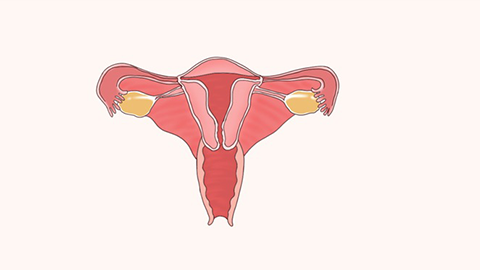
1. Uterine Morphology
Transvaginal or abdominal color Doppler ultrasound enables precise measurement of uterine length, width, and thickness, allowing assessment of whether uterine size falls within normal limits. It also determines uterine position—anteverted, mid-positioned, or retroverted—and helps identify positional abnormalities such as uterine prolapse.
2. Endometrial Thickness
Ultrasound provides accurate measurement of endometrial thickness, assisting clinicians in evaluating whether endometrial development corresponds with the menstrual cycle. It aids in detecting abnormally thin or thick endometrium—information critical for diagnosing conditions such as menstrual disorders and infertility.
3. Myometrial Condition
Uterine color Doppler ultrasound is one of the most commonly used modalities for diagnosing uterine leiomyomas (fibroids). It clearly visualizes fibroid size, number, location, morphology, and relationship to surrounding tissues. On ultrasound images, fibroids typically appear as hypoechoic or isoechoic nodules with well-defined or ill-defined margins—findings essential for treatment planning.
4. Cervical Lesions
This examination allows evaluation of cervical morphology, dimensions, and echogenicity, facilitating detection of conditions such as cervicitis or cervical cysts. Cervical cysts manifest on ultrasound as well-demarcated anechoic areas within the cervix and are generally benign; however, clinical correlation with symptoms remains essential for comprehensive assessment.
5. Early Pregnancy Diagnosis
Ultrasound is a highly intuitive and accurate method for early pregnancy confirmation. It verifies gestational status, evaluates gestational sac location, size, and shape, and assesses embryonic pole and fetal cardiac activity—key parameters for determining pregnancy viability and excluding complications such as ectopic pregnancy or embryonic demise.
We recommend maintaining routine self-care and undergoing examinations under professional medical guidance. Cultivate healthy lifestyle habits in daily life: avoid excessive fatigue and strenuous physical activity to prevent bodily discomfort.



