How is sigmoid colitis treated?
Aug 01, 2022
Source: Cainiu Health

Dr. Cheng Yicheng
Introduction
Treatment of sigmoid colon disease primarily includes general management, pharmacological therapy, and surgical intervention. During active inflammation, patients should rest adequately to reduce both physical and psychological stress and be placed on a liquid diet. Once the condition improves, the diet may be transitioned to a nutritionally adequate, low-residue regimen. In patients with severe diarrhea, substantial losses of water and electrolytes may lead to disturbances in fluid and electrolyte balance.
Colitis is a chronic disease characterized by inflammatory reactions in the colon triggered by various factors. Its primary symptoms include diarrhea and abdominal pain of varying severity following disease onset. In severe cases, some patients may pass mucus-containing stools or purulent, bloody stools. This condition is prone to recurrence. So, how is sigmoid colitis treated?
How Is Sigmoid Colitis Treated?
Treatment of sigmoid colitis primarily includes general measures, pharmacotherapy, and surgical intervention. During active inflammation, patients should rest adequately to reduce both physical and psychological stress and consume a liquid diet. As the condition improves, patients may transition to a low-residue, nutrient-rich diet. For patients with severe diarrhea—leading to substantial loss of water and electrolytes—prompt correction of fluid and electrolyte imbalances is essential. Oral intake should be temporarily withheld to avoid exacerbating intestinal burden and worsening diarrhea. Pharmacotherapy remains the mainstay of treatment for sigmoid colitis.
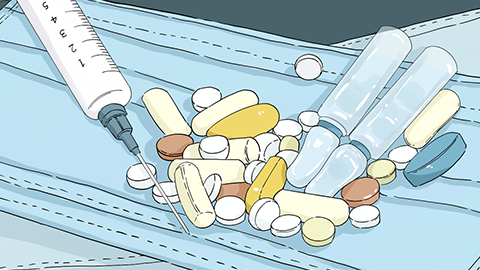
Mesalazine is the primary drug used to treat sigmoid colitis; other commonly prescribed medications include aminosalicylates and sulfasalazine. Glucocorticoids demonstrate good efficacy during acute flares and are indicated for patients who respond poorly to aminosalicylates; however, long-term use is generally avoided. Once symptoms are controlled, glucocorticoid dosage should be gradually tapered and discontinued. Commonly used agents include prednisone, hydrocortisone, and prednisolone. Immunosuppressants may be employed for patients unresponsive to glucocorticoid therapy; frequently used drugs include azathioprine and mercaptopurine.

Patients are advised to undergo timely surgical intervention when indicated. We hope this information proves helpful.