


What Should I Do If My Gums Recede While Wearing Braces?
Aug 01, 2022
Source: Cainiu Health

Dr. Zhang Liwen
Introduction
If gingival recession occurs during orthodontic treatment, orthodontic therapy should be discontinued—i.e., temporarily halted—while initial periodontal therapy is performed first. Basic periodontal treatment should begin with ultrasonic supragingival scaling, followed by subgingival scaling and root planing. Once inflammation is adequately controlled through this foundational periodontal therapy—and the patient demonstrates sound oral health maintenance awareness and skills—
Gingival recession is a common oral condition primarily caused by localized metabolic dysfunction of the gingiva. When the gingiva fails to absorb vitamins properly, it becomes nutritionally deficient, ultimately leading to gingival recession. In advanced stages, gingival recession may cause tooth mobility—requiring prompt intervention. So, what should be done if gingival recession occurs during orthodontic treatment with braces?
What to Do If Gingival Recession Occurs While Wearing Braces
If gingival recession develops during orthodontic treatment, orthodontic therapy should be temporarily suspended to allow for foundational periodontal treatment. This initial periodontal therapy typically includes ultrasonic supragingival scaling, subgingival scaling, and root planing. Once inflammation is adequately controlled and the patient demonstrates sound oral hygiene awareness and skills, orthodontic treatment may safely resume. Otherwise, continued treatment risks compromising dental stability and potentially causing abnormal tooth mobility.
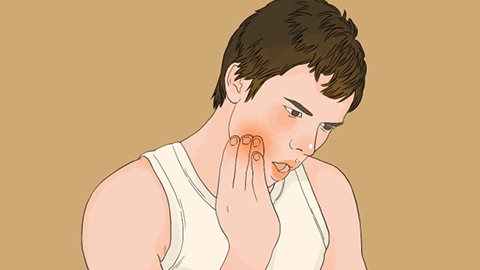
During orthodontic treatment, maintaining optimal oral hygiene is challenging due to the presence of numerous appliances in the mouth. As a result, substantial plaque accumulation commonly occurs on tooth surfaces and near the cervical region—predisposing patients to gingival disease and, consequently, gingival recession. Particularly when correcting prominent canines (“tiger teeth”), these teeth are repositioned into their normal alignment. Following such correction, gingival recession frequently appears—especially on the buccal (cheek) side—because the buccal gingiva is relatively thin and thus more susceptible to recession after orthodontic movement, particularly on the labial (lip-facing) surface.
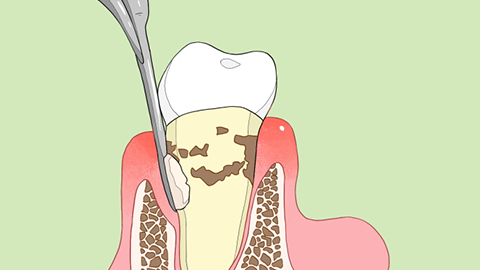
Therefore, meticulous oral hygiene is essential while wearing braces. Patients should use specialized orthodontic toothbrushes, interdental brushes, and dental floss to effectively remove bacteria and soft debris from both tooth surfaces and orthodontic appliances. We hope this information proves helpful.



