


What Should You Do If You Experience Angina?
Aug 01, 2022
Source: Cainiu Health

Dr. Li Man
Introduction
When a patient experiences angina, immediately instruct them to stop all activities. Encourage them to remain calm and quiet, avoid excessive anxiety, and sit or lie down slowly to rest. Administer a rapid-relief medication—such as nitroglycerin—sublingually. Angina symptoms typically subside with rest or medication. If symptoms persist, administer another sublingual dose and simultaneously call 120 for emergency medical assistance.
The heart is one of the body’s vital organs, responsible for delivering blood to every cell. Once cardiac function fails, many bodily systems cease to operate properly. In recent years, the number of patients with heart disease has been steadily increasing, and angina pectoris is a common condition. Many patients experience significant symptom relief through appropriate treatment and can lead normal lives. So, what should you do if angina occurs?
What to Do When Angina Occurs
When a patient experiences angina, immediately instruct them to stop all physical activity. Encourage them to remain calm and quiet—avoid excessive anxiety—and sit or lie down slowly to rest. Administer a rapid-acting rescue medication (e.g., nitroglycerin) sublingually. Symptoms of angina often subside with rest or after taking medication. If symptoms persist, administer another sublingual dose and simultaneously call emergency services (120) for immediate medical assistance. Proceed to a reputable hospital for a comprehensive evaluation to identify the underlying cause and actively treat the primary condition, thereby reducing or preventing future angina episodes. Patients should maintain a stable, positive mental state, avoid emotional stress, develop regular bowel habits, and prevent constipation—these are among the most effective strategies for preventing angina attacks.
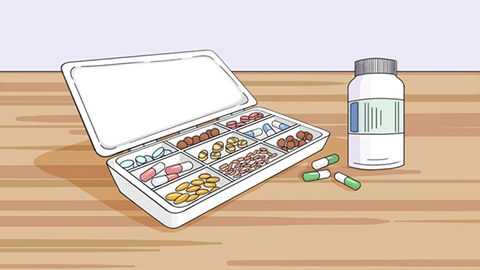
If angina symptoms occur, they are primarily caused by myocardial ischemia. In such cases, it is recommended to undergo diagnostic testing—including electrocardiography (ECG), echocardiography (color Doppler ultrasound of the heart), and cardiac enzyme assays—at a hospital to rule out coronary artery disease (CAD). If angina is confirmed to be due to CAD, secondary prevention medications—such as aspirin, atorvastatin, and enalapril—should be initiated under a physician’s guidance. During an acute angina episode, sublingual administration of rapid-acting traditional Chinese medicine (e.g., Su Xiao Jiu Xin Wan) may help alleviate symptoms.
Patients are advised to adhere to healthy lifestyle habits: consume a light, balanced diet; avoid spicy and irritating foods; and ensure adequate, high-quality sleep each day. We hope this information proves helpful.


