Is a cecum/ascending colon polyp a serious issue?
Aug 01, 2022
Source: Cainiu Health

Dr. Li Jingxiang
Introduction
The severity of a cecum (ascending colon) polyp is determined primarily by its size: small polyps are generally not serious, whereas large polyps are considered more severe. It is recommended to seek medical attention promptly and undergo treatment under the guidance of a physician. In daily life, maintain a light diet and avoid spicy or irritating foods—such as chili peppers and Sichuan peppercorns—to minimize irritation to the polyp.
The severity of ascending colon polyps depends on their size. Small polyps are generally not serious, whereas larger ones pose a greater clinical concern. Prompt medical consultation and treatment under a physician’s guidance are strongly recommended. A detailed analysis follows:
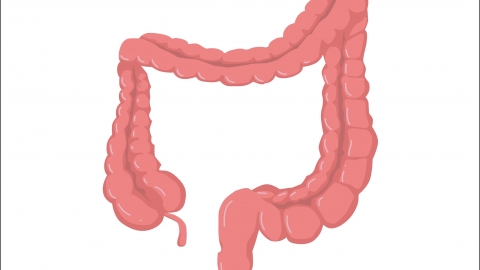
If an ascending colon polyp measures less than 0.5 cm, the condition is relatively mild. Such small polyps are typically benign and often result from inflammatory stimulation or localized mucosal hyperplasia. They usually cause no noticeable symptoms and carry a low risk of malignant transformation; routine follow-up surveillance is generally sufficient.
Conversely, ascending colon polyps larger than 2 cm are clinically more concerning due to their significantly increased risk of malignancy. As larger polyps grow, their cells are more prone to genetic mutations, and ulceration or bleeding may develop on their surface—both factors elevating the risk of cancerous transformation. In such cases, endoscopic mucosal resection (EMR), as directed by a physician, is indicated to remove the polyp tissue and reduce the risk of malignancy.
In daily life, patients should maintain a light, bland diet and avoid spicy or irritating foods—such as chili peppers and Sichuan peppercorns—to minimize irritation to the polyp.