


How is a Nabothian cyst of the uterus treated?
Aug 01, 2022
Source: Cainiu Health

Dr. Lv Aiming
Introduction
Management of cervical Nabothian cysts depends on their size and associated symptoms. If the cysts are relatively small and asymptomatic, they can be monitored without treatment. However, if a single cyst is large enough to obstruct the cervical os and impede menstrual flow, aspiration of the cyst fluid may be performed. The cervix often contains multiple Nabothian cysts.
Nabothian cysts of the cervix are a gynecological condition, yet many women remain unfamiliar with them. In fact, the underlying cause of cervical Nabothian cysts is similar to that of adolescent acne. Like cervical erosion and cervical polyps, Nabothian cysts represent one manifestation of chronic disease. Most affected individuals experience increased vaginal discharge; so how are cervical Nabothian cysts treated?
How Are Cervical Nabothian Cysts Treated?
The management of cervical Nabothian cysts depends on their size and associated symptoms. If the cysts are relatively small and asymptomatic, no specific treatment is required—regular follow-up observation suffices. However, if a single large cyst obstructs the cervical os and impedes menstrual blood flow, aspiration (puncture and drainage of cyst fluid) may be performed. When multiple Nabothian cysts are present within the cervix, they may cause symptoms such as increased vaginal discharge, lower back or sacral pain, and a sensation of heaviness or discomfort. In such cases, the cyst surface can be ablated (e.g., via cauterization), which destroys the cyst wall and base. Alternative treatment options include laser therapy, loop electrosurgical excision procedure (LEEP), or localized cold-knife excision. Prior to any intervention, however, cervical cytology (TCT) and human papillomavirus (HPV) testing must be performed to rule out cervical malignancy.
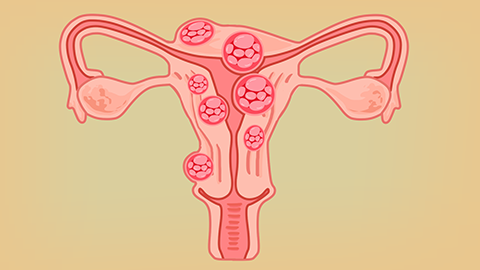
Nabothian cysts develop secondary to chronic cervicitis over time: inflammation leads to obstruction of the cervical glandular duct openings, preventing normal secretion drainage. Accumulated secretions gradually form gland-like cysts—thus, Nabothian cysts fall under the broader category of chronic cervicitis. Nevertheless, isolated Nabothian cysts do not require specific treatment for chronic cervicitis. Clinically, these cysts—also referred to simply as “cervical cysts”—typically warrant no special intervention or therapy.

Additionally, during treatment, patients may opt for light, easily digestible foods. We hope this information proves helpful.


