


How is a uterine nabothian cyst treated?
Aug 14, 2022
Source: Cainiu Health

Dr. Lv Aiming
Introduction
Cervical nabothian cysts—commonly referred to as “uterine nabothian cysts”—are small, benign cysts that form on the cervix. Treatment options include pharmacotherapy, physical therapy, and surgical intervention, all aimed at alleviating symptoms. During treatment, sexual intercourse should be avoided to prevent bacterial introduction and potential worsening of infection. Adequate rest and avoidance of excessive physical exertion are recommended to support recovery. A light, balanced diet rich in essential nutrients is also advised to promote healing.
Nabothian cysts are a common gynecological finding in women, and many individuals seek information on how to treat them. So, how are Nabothian cysts managed?
How Are Nabothian Cysts Treated?
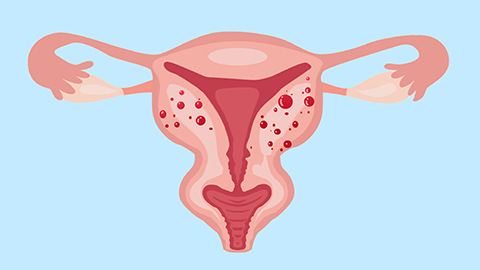
In most cases, “uterine Nabothian cysts” refer to cervical Nabothian cysts—small, benign cysts that form on the cervix. Treatment options include pharmacotherapy, physical therapy, and surgical intervention, all aimed at alleviating symptoms. A detailed overview follows:
1. Pharmacotherapy
Under medical supervision, antibiotics such as levofloxacin tablets or metronidazole tablets may be prescribed for cervical Nabothian cysts. These medications possess antimicrobial properties and help reduce local inflammation. During treatment, sexual intercourse should be avoided to prevent bacterial introduction and potential worsening of infection.
2. Physical Therapy
For more severe cases—such as larger cervical cysts—procedures including laser ablation, microwave therapy, or cryotherapy may be employed to drain the cyst fluid and achieve therapeutic effect. Post-treatment, adequate rest and avoidance of excessive physical strain are recommended to support recovery.
3. Surgical Intervention
If a Nabothian cyst exceeds 5 cm in diameter and is associated with significant symptoms, surgical management—such as hysteroscopic electrosurgical excision or, in rare cases, hysterectomy—may be considered under physician guidance. Patients should maintain a light, balanced diet rich in essential nutrients to facilitate healing.

Patients with cervical Nabothian cysts should actively cooperate with their healthcare providers during treatment to prevent infection, which could otherwise compromise fertility. Abstinence from sexual activity and avoidance of spicy or irritating foods are advised throughout the treatment course. We hope this article has been helpful. Wishing you a happy and healthy life!


