


Diagnostic Criteria for Anemia in Pregnancy
Aug 02, 2022
Source: Cainiu Health

Dr. Lv Aiming
Introduction
Anemia in pregnant women can be diagnosed when serum ferritin levels fall below 12 µg/L or hemoglobin concentration drops below 110 g/L. Iron-deficiency anemia in pregnancy typically develops gradually; however, nutritional megaloblastic anemia tends to manifest more acutely, often presenting with gastrointestinal symptoms. Pregnant women with anemia are at increased risk of infections and pregnancy-induced hypertension syndrome, and may also cause fetal hypoxia.
During pregnancy, women may experience certain physiological changes that lead to a relative decrease in hemoglobin levels in the blood; when hemoglobin falls below a specific threshold, anemia develops. What, then, are the diagnostic criteria for anemia during pregnancy?
Diagnostic Criteria for Anemia During Pregnancy
Anemia in pregnant women is diagnosed when serum ferritin levels fall below 12 µg/L or hemoglobin concentration drops below 110 g/L. Iron-deficiency anemia in pregnancy typically develops gradually; however, nutritional megaloblastic anemia tends to manifest more acutely and is often accompanied by gastrointestinal symptoms. Pregnant women with anemia are at increased risk of infections and pregnancy-induced hypertension syndrome, and fetal hypoxia may occur. In cases of severe maternal anemia, fetal death due to hypoxia may result. Serum ferritin and hemoglobin levels are the most sensitive indicators for diagnosing anemia in pregnancy.
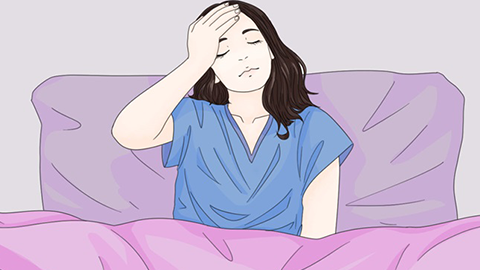
Anemia during pregnancy can cause multiple adverse effects on both the mother and the fetus. Anemia occurring during gestation also increases the risk of neonatal anemia. The most common type of anemia in pregnancy is iron-deficiency anemia, which is highly prevalent. Its typical manifestations include pallor of the skin and mucous membranes, fatigue, dizziness, tinnitus, vertigo, and impaired memory; in severe cases, congestive heart failure may develop. Gastrointestinal symptoms such as nausea, anorexia, abdominal distension, and diarrhea may also occur.

Expectant mothers are advised to take preventive measures against anemia, primarily through dietary modifications. Recommended foods include lean meats, poultry, animal liver and blood products, and eggs—all rich in iron. Additionally, consuming fruits and vegetables is beneficial: besides providing iron, they supply vitamin C, which enhances iron absorption and utilization. We hope this information proves helpful. Wishing you good health and happiness!



