


Differences Between COPD and Emphysema
Aug 02, 2022
Source: Cainiu Health

Dr. Guo Xiheng
Introduction
COPD and emphysema differ in pathological features, clinical manifestations, and pulmonary function. COPD is a chronic disease characterized by persistent airflow limitation, encompassing both bronchitis and emphysema. The primary pathological feature of emphysema is reduced elasticity of the airways distal to the terminal bronchioles. The main clinical manifestations of COPD include cough, sputum production, chest tightness, and wheezing; severe cases may present with dyspnea and respiratory failure.
Chronic obstructive pulmonary disease (COPD) and emphysema are common respiratory disorders. These two conditions are indeed closely related and share many similar symptoms, leading many people to confuse them—or even mistakenly regard them as the same disease. In reality, there are significant differences between them. So, what distinguishes COPD from emphysema?
Differences Between COPD and Emphysema
COPD and emphysema differ in their pathological features, clinical manifestations, and pulmonary function test results. COPD is a chronic disease characterized by persistent airflow limitation and encompasses both chronic bronchitis and emphysema. In contrast, the primary pathological feature of emphysema is reduced elasticity of the airways distal to the terminal bronchioles. The main clinical manifestations of COPD include chronic cough, sputum production, chest tightness, and wheezing; severe cases may present with dyspnea and respiratory failure. Clinical symptoms of emphysema are generally milder, and dyspnea is uncommon. Patients with COPD typically exhibit significantly impaired lung function, whereas patients with emphysema primarily show increased residual volume on pulmonary function testing. In summary, while COPD and emphysema are interrelated, they also exhibit clear distinctions.
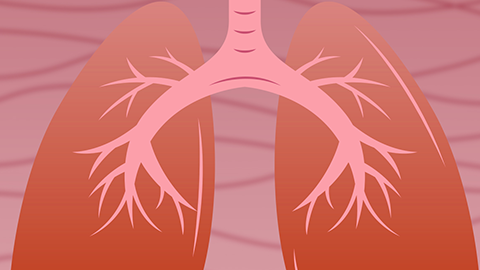
In clinical practice, emphysema and COPD represent fundamentally distinct disease concepts. Emphysema may be one contributing factor to COPD; however, emphysema does not inevitably progress to COPD, and COPD encompasses the pathological changes characteristic of emphysema. Generally speaking, COPD primarily results from severe impairment of lung function—particularly diminished ventilatory capacity—which leads progressively to worsening dyspnea and, in advanced cases, respiratory failure.

We recommend that patients seek prompt medical evaluation upon noticing any bodily discomfort. We hope this information has been helpful to you.



