


What should patients with emphysema pay attention to during winter?
Dec 09, 2025
Source: Cainiu Health

Dr. Ren Yi
Introduction
Patients with emphysema should keep warm and avoid cold exposure during winter, avoid contact with irritating gases, take medications regularly without stopping or reducing dosage on their own, engage in moderate indoor exercise, and maintain appropriate indoor humidity. Cold and dry air in winter can easily trigger worsening of the condition. If symptoms such as increased shortness of breath, more frequent coughing with increased sputum production, or fever occur, prompt medical attention is recommended.
Patients with emphysema should stay warm and avoid cold exposure during winter, avoid contact with irritating gases, take medications regularly, engage in moderate indoor exercise, and maintain appropriate indoor humidity. Cold and dry winter air can easily trigger worsening of the condition. If symptoms such as increased shortness of breath, more frequent coughing with sputum production, or fever occur, prompt medical attention is recommended.
1. Stay warm and prevent colds: Low winter temperatures increase the risk of respiratory infections. Patients should dress warmly, especially protecting the neck and chest, avoid direct exposure to cold wind, reduce the risk of catching a cold, and prevent infections that could trigger acute exacerbations of emphysema.
2. Avoid exposure to irritating gases: In winter, pollutants from coal heating, smoke, and dust tend to accumulate. Patients should avoid such environments, refrain from smoking and exposure to secondhand smoke, minimize respiratory irritation, and reduce the likelihood of airway spasms and worsened inflammation.
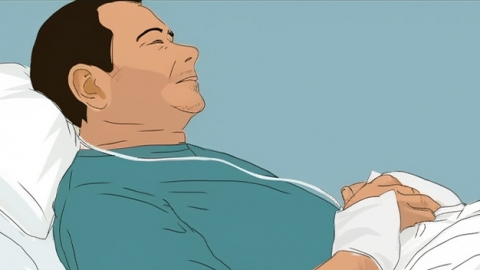
3. Take medications regularly: Patients must adhere to prescribed treatments, including bronchodilators, as directed by their doctor. Do not discontinue or reduce medication on your own even if symptoms temporarily improve. Consistent use helps keep airways open and maintains stable lung function.
4. Engage in moderate indoor exercise: Choose gentle indoor activities such as tai chi or slow walking to avoid harsh outdoor conditions. Exercise intensity should be kept at a level that does not cause shortness of breath, helping to strengthen respiratory muscles and boost overall immunity.
5. Maintain appropriate indoor humidity: Dry winter air can worsen respiratory discomfort. Using a humidifier to keep indoor humidity between 50% and 60% can help relieve dry throat and reduce thick mucus, facilitating easier sputum clearance.
In winter, patients should be provided with warm, easily digestible meals to ensure adequate nutrition. Rooms should be ventilated regularly to maintain fresh indoor air. Avoid crowded places, and closely monitor breathing patterns and mental status to help the patient safely and comfortably get through the winter season.


