What Causes Uterine Inflammation?
Aug 02, 2022
Source: Cainiu Health

Dr. Chen Zhe
Introduction
Uterine inflammation is caused by poor sexual hygiene, excessively frequent sexual activity, inadequate personal hygiene, and infection. It is a common gynecological condition, and the inflammatory involvement may affect one or multiple areas of the uterus—often due to neglect of personal hygiene. Bacterial infection of the pelvic reproductive tract triggers an inflammatory response; therefore, timely symptomatic treatment at a hospital is essential.
Uterine inflammation is caused by ascending infection from chronic vaginitis. Preventing vaginitis involves maintaining external genital hygiene, regularly washing undergarments, frequently changing sanitary pads during menstruation, and avoiding the routine use of daily panty liners.
What Causes Uterine Inflammation?
Uterine inflammation results from poor sexual practices, excessively frequent intercourse, inadequate personal hygiene, and infection. It is a common gynecological condition; inflammation may affect one or multiple areas of the uterus. Poor personal hygiene habits—especially in the pelvic region—can lead to bacterial infection of the reproductive tract, triggering an inflammatory response. Therefore, timely medical evaluation and targeted treatment at a hospital are essential. Unhealthy sexual practices and failure to maintain proper hygiene during intercourse can also predispose individuals to inflammatory conditions. Irregularly changing sanitary pads during menstruation, prolonged pad usage, or using substandard sanitary products during menses may likewise contribute to uterine inflammation. If symptoms suggestive of uterine inflammation appear, prompt medical consultation and treatment are strongly advised.
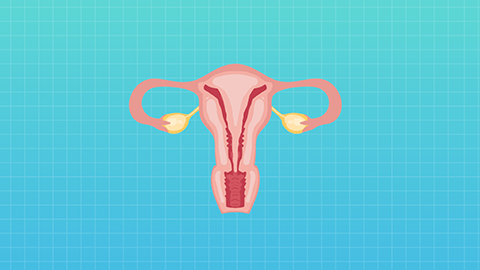
Uterine inflammation is a common infectious disease of the reproductive system. The most frequent form is endometritis, which may be classified as either acute or chronic. Pathogens responsible for uterine inflammation include Escherichia coli, Staphylococcus aureus, anaerobic bacteria, and hemolytic streptococci. Sexually transmitted pathogens such as Mycoplasma, Chlamydia, and Neisseria gonorrhoeae may also cause infection. The incidence of acute endometritis is closely associated with pregnancy-related events, including spontaneous or induced abortion, vaginal delivery, cesarean section, preterm premature rupture of membranes (PPROM), excessive antepartum or postpartum hemorrhage, obstetric procedures, maternal debility, chorioamnionitis, and sexual activity during late pregnancy.
Patients are advised to avoid raw, cold, spicy, or otherwise irritating foods; maintain a positive emotional state; refrain from staying up late; and take care to stay warm. We hope this information proves helpful.