


How to Completely Cure Athlete’s Foot: Simple and Effective Methods
Aug 03, 2022
Source: Cainiu Health

Dr. Liu Wan
Introduction
Treatment varies depending on the clinical presentation. For small, intact vesicles, bifonazole cream may be used under a physician’s guidance. If there is severe hyperkeratosis and thickening of the skin, soaking with warm water or salicylic acid ointment can help soften the keratinized tissue, followed by antifungal ointment therapy. In cases of exudation or erosion, potassium permanganate solution wet dressings may be applied to promote wound contraction and drying.
Athlete’s foot not only impairs daily life but also affects personal appearance and poses a risk of transmission to family members. In severe cases, it may lead to secondary infections, blisters, ulcers, and even tissue necrosis—complications that can be relatively harmful. So, what are simple and effective methods for completely curing athlete’s foot?
Simple and Effective Methods for Completely Curing Athlete’s Foot
Treatment varies depending on clinical presentation. For small, intact vesicles, bifonazole cream may be used under medical supervision. If hyperkeratosis and marked skin thickening are present, soaking the feet in warm water or applying salicylic acid ointment can help soften the keratinized layer, followed by topical antifungal therapy. For cases with exudation or erosion, potassium permanganate solution wet compresses may be applied to promote wound drying and contraction; once the skin is dry, antifungal powder can be applied locally. Subsequently, terbinafine hydrochloride cream should be used. If bacterial infection is suspected, berberine solution wet compresses may be employed.
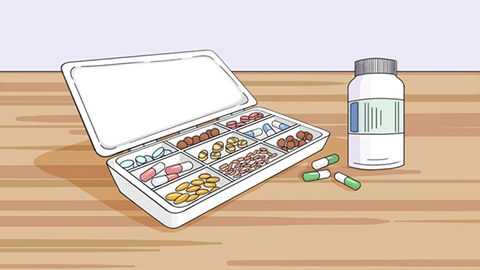
Antifungal medications constitute the cornerstone of treatment, and meticulous foot hygiene must be emphasized. Treatment should be conducted under a physician’s guidance using appropriate antifungal agents. Commonly prescribed antifungal medications—including Daktarin (miconazole), MEC (clotrimazole), and Lanmeishu cream (ketoconazole)—demonstrate clear efficacy against athlete’s foot. Even after complete resolution of symptoms, antifungal therapy should be continued for approximately two additional weeks to ensure eradication of all dermatophytes. Premature discontinuation of treatment increases the risk of recurrence. Athlete’s foot is primarily triggered by excessive foot perspiration, and numerous lifestyle factors may contribute to its development.
Avoid smoking and alcohol consumption; maintain regular sleep patterns and avoid staying up late. Ensure a balanced diet incorporating both meat and vegetables to support nutritional equilibrium, and engage regularly in outdoor physical activity. We hope this information proves helpful to you.


