How to Repair Acne Scars
Aug 03, 2022
Source: Cainiu Health

Dr. Liu Wan
Introduction
For the treatment of acne scars and active acne, we first recommend using a reparative serum—specifically, vitamin E gel oil—applied both morning and evening. This product has skin-brightening effects and requires consistent use for one month. Additionally, a yogurt-and-egg-white mask not only brightens the skin but also helps repair atrophic acne scars. Aloe vera gel is another beneficial option. Finally, laser acne treatment is the most effective approach.
Acne is not only uncomfortable but also affects one’s appearance. This is especially true for girls, who place great importance on their image—acne breakouts often lead to significant distress. If acne is not treated promptly, it may leave behind pitted scars (acne pits). So, how can acne pits be repaired?
How to Repair Acne Pits
For repairing acne scars and active acne lesions, the first recommendation is to use a restorative serum—preferably applied both morning and evening—such as vitamin E gel oil. This has skin-brightening effects and typically requires at least one month of consistent use. Additionally, a yogurt-and-egg-white mask offers both brightening and scar-repairing benefits. Aloe vera gel is another effective topical option. Finally, laser therapy for acne is considered the most effective treatment overall. Generally, the formation of surface-level skin depressions indicates compromised skin repair capacity; thus, the skin’s natural healing process is very slow, necessitating external interventions—including topical medications—to support skin recovery. Appropriate anti-acne medications should be selected based on individual skin conditions and under medical guidance. During treatment, apply the medication evenly across affected facial areas daily, while avoiding irritating cosmetics.
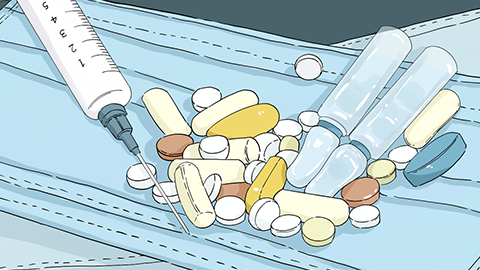
Oral medications may also be required, combined with targeted topical treatments. Crucially, cleansing and skincare routines must be standardized and evidence-based. Oral therapy should be tailored according to individual assessment—including potential underlying causes of acne, such as hormonal imbalances, localized infection, excessive sebum production, or internal “damp-heat” (a traditional Chinese medicine concept). For pronounced hormonal dysregulation, mild hormonal modulators may be prescribed. In cases of evident local infection, antibiotics or anti-inflammatory agents may be used to reduce inflammation. For severe seborrhea, oral sebum-regulating medications are indicated. When “damp-heat” is suspected, adjunctive use of appropriate traditional Chinese herbal formulas may be considered.
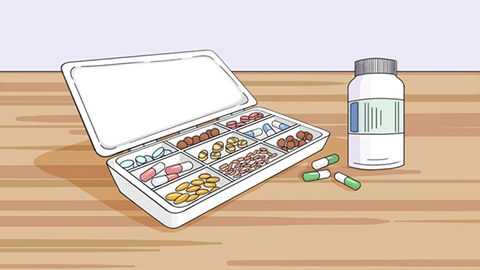
Avoid smoking and alcohol consumption; maintain regular sleep patterns and avoid staying up late. Ensure a balanced diet incorporating both lean proteins and vegetables, and engage regularly in outdoor physical activity. We hope this information proves helpful to you.