How to repair skin redness and acne
Nov 29, 2025
Source: Cainiu Health

Dr. Liu Wenmin
Introduction
Skin redness and acne repair requires gentle cleansing, soothing anti-inflammatory care, scientific inflammation control, balancing oil and moisture, strict sun protection, and avoiding various irritants. If symptoms persist or worsen with pustules, nodules, or accompanied by severe itching and pain, seek medical attention promptly. Choose amino acid-based facial cleansers and avoid harsh cleansing ingredients such as soap base or scrubbing particles. Every
Skin redness and acne require repair through gentle cleansing, soothing anti-inflammatory care, scientific inflammation control, balancing skin's oil and moisture, strict sun protection, and avoiding various irritants. If symptoms persist or worsen with pustules, nodules, or severe itching and pain, seek medical attention promptly.
1. Gentle Cleansing: Use amino acid-based facial cleansers and avoid harsh ingredients such as soap bases or scrubs. Cleanse one to two times daily with water at a temperature of 32–35°C. Gently massage in circular motions to minimize friction and reduce damage to the skin barrier, laying the foundation for subsequent skin repair.
2. Soothing Anti-Inflammatory Care: Apply skincare products containing panthenol, ceramides, or centella asiatica extract. These ingredients help relieve skin redness and heat sensation, repair the damaged stratum corneum, reduce local inflammatory responses, and restore unstable skin to a calm and balanced state.
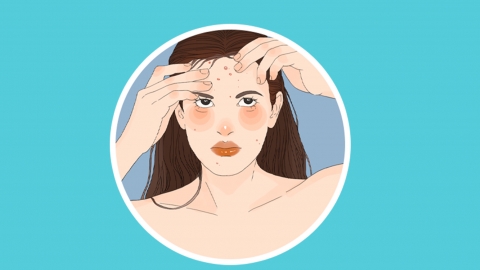
3. Scientific Inflammation Control: Never squeeze acne with fingers to prevent bacterial growth and inflammation spreading. When necessary, use mild anti-inflammatory products under professional guidance to suppress inflammatory factor activity, reduce redness, swelling, and pain of acne, and prevent post-acne marks and scars.
4. Balancing Oil and Moisture: Choose lightweight, oil-controlling skincare products free of comedogenic ingredients. Replenish essential moisture to maintain skin’s oil-water balance, reduce excessive sebum production and pore clogging, and lower the likelihood of recurrent acne at its root cause.
5. Strict Sun Protection: Prioritize physical sun protection methods such as using umbrellas or wearing hats, supplemented with gentle, alcohol-free sunscreen products with SPF 30 or higher. This reduces UV-induced skin irritation, prevents worsening redness, and minimizes post-inflammatory hyperpigmentation.
Maintain a regular sleep schedule and avoid staying up late. Limit intake of high-sugar, high-fat, and spicy foods, and consume more fresh fruits and vegetables rich in vitamins. Avoid frequently changing skincare products, keep the skin clean and breathable, and support steady progress in skin recovery.