


How is severe osteoporosis treated?
Aug 04, 2022
Source: Cainiu Health

Dr. Lin Yunfei
Introduction
In cases of severe osteoporosis, symptomatic drug therapy—such as estrogen, calcitonin, and bisphosphonates—should be initiated promptly under a physician’s guidance. Surgical intervention may also be required if fractures are present. Regular physical activity and increased sun exposure are recommended. Additionally, maintaining a balanced diet and appropriately supplementing with calcium can help alleviate the condition of osteoporosis.
Osteoporosis occurs when the body lacks calcium and bone mineral density decreases. At this stage, bones become more brittle and prone to fractures. In severe cases, bones may be so fragile that even a simple hug can result in multiple fractures. Therefore, once diagnosed with osteoporosis, prompt and active treatment is essential. So, how is severe osteoporosis treated?
How Is Severe Osteoporosis Treated?
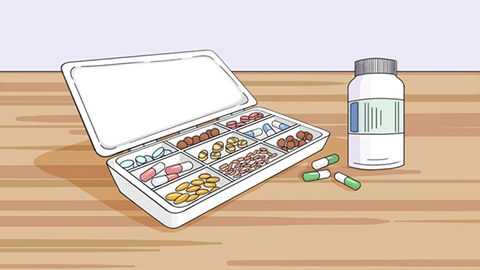
When severe osteoporosis develops, treatment should begin under a physician’s guidance using targeted medications such as estrogen, calcitonin, and bisphosphonates. If fractures are present, surgical intervention may also be required. Additionally, patients should engage in regular physical activity, increase sun exposure appropriately, maintain a balanced diet, and supplement with calcium as needed—these measures can help alleviate osteoporosis symptoms. For severe osteoporosis, timely administration of medications—including estrogen, calcitonin, bisphosphonates, anabolic steroids, fluoride, and parathyroid hormone—can effectively suppress bone resorption and stimulate bone formation, thereby increasing bone mineral density and relieving osteoporosis-related symptoms.
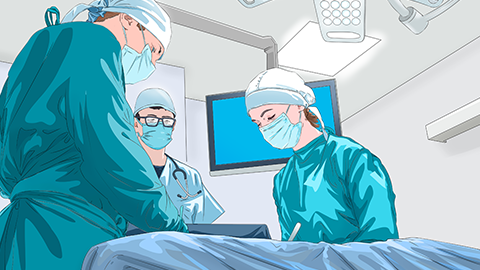
If fractures result from severe osteoporosis, conservative management—such as manual reduction followed by plaster immobilization—may be appropriate for mild cases. However, if fractures involve significant displacement and cannot be adequately reduced non-surgically, surgical intervention and reduction are indicated. Postoperatively, plaster immobilization may also be used to promote optimal fracture healing. Sun exposure enhances vitamin D synthesis, thereby improving calcium absorption and helping both prevent and treat osteoporosis. To avoid skin damage, direct sun exposure at midday should be avoided; instead, morning (9–10 a.m.) and late afternoon (4–5 p.m.) are generally recommended as optimal times for safe sun exposure.
Patients are advised to follow a light, bland diet, avoiding spicy or irritating foods, and to abstain from smoking and alcohol. Maintaining regular sleep patterns and avoiding late-night activities is also important. Consuming calcium-rich foods is highly recommended. We hope this information proves helpful to you.







