


How is myocarditis sequelae treated?
Aug 04, 2022
Source: Cainiu Health

Dr. Li Man
Introduction
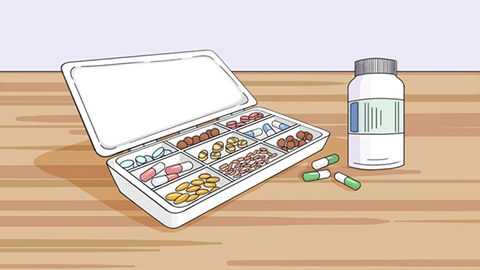
Patients with sequelae of myocarditis should receive symptomatic treatment. If cardiac function declines, diuretics, positive inotropic agents, and vasodilators should be selected under a physician’s guidance; corticosteroids may be added when necessary. For arrhythmias, medications such as amiodarone and metoprolol can be used to prevent disease progression.
Myocarditis varies in severity and can significantly impact a patient’s physical health. In fact, myocarditis has numerous potential causes, including drug-induced effects and bacterial infections. Generally, only active and cooperative treatment can lead to recovery; however, myocarditis may also result in long-term sequelae. So, how are these sequelae treated?
How Are Myocarditis Sequelae Treated?
Patients with myocarditis sequelae require symptomatic treatment. If cardiac function is impaired, diuretics, positive inotropic agents, and vasodilators should be selected under a physician’s guidance; corticosteroids may be added when necessary. For arrhythmias, medications such as amiodarone or metoprolol may be used to prevent disease progression. Patients must adhere strictly to prescribed dosages and schedules and ensure adequate rest.
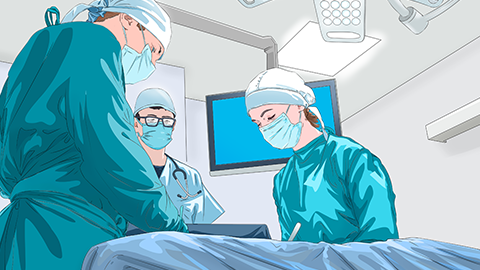
If pharmacological treatment proves ineffective, surgical interventions—such as pacemaker implantation—may be considered, which can effectively alleviate clinical symptoms. In cases of severe myocarditis complicated by refractory heart failure, heart transplantation may be an option. Comprehensive nursing care is essential for patients with sequelae to support recovery.
Patients are advised to follow a light, bland diet, avoid spicy and irritating foods, abstain from tobacco and alcohol, maintain regular sleep-wake cycles, and avoid staying up late. We hope this information is helpful to you.







