


Can patients with viral myocarditis exercise?
Dec 02, 2025
Source: Cainiu Health

Dr. Gao Jun
Introduction
In general, whether patients with viral myocarditis can engage in physical activity mainly depends on the severity of their condition and stage of recovery. Daily diet should be rich in high-protein and high-vitamin foods, with small, frequent meals to avoid overeating. Ensure adequate sleep, keep warm to prevent colds, strictly follow medical advice regarding medication, and have regular follow-up examinations including electrocardiograms and cardiac enzyme tests to monitor disease progression.
In general, whether patients with viral myocarditis can engage in physical activity mainly depends on the severity of their condition and stage of recovery. A detailed analysis is as follows:
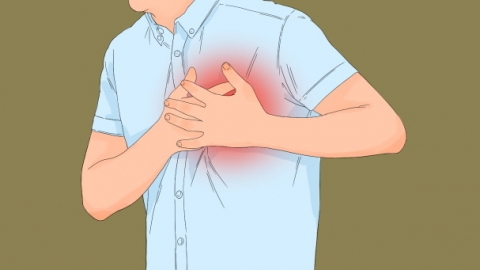
During the recovery phase, if symptoms have disappeared and indicators such as cardiac enzymes and electrocardiogram (ECG) have returned to normal, physical activity may be permitted after medical evaluation. Begin with low-intensity activities such as standing by the bedside or slow indoor walking for 5–10 minutes per session. Gradually increase duration as the body adapts, choosing gentle exercises like walking or tai chi. Maintain heart rate within a safe range during exercise; continue only if there is no discomfort such as chest tightness or palpitations.
Exercise is not allowed during the acute phase or when the condition is severe, especially if symptoms such as chest tightness, shortness of breath, or heart failure are present. At this stage, the myocardium is in an inflamed and edematous state, and any physical exertion will increase the cardiac workload, potentially triggering malignant arrhythmias or even sudden death. Absolute bed rest is required until inflammatory markers return to normal.
Diet should be rich in high-protein and high-vitamin foods, with small, frequent meals to avoid overeating. Ensure adequate sleep, stay warm to prevent colds, strictly follow prescribed medication regimens, and undergo regular follow-up tests including ECG and cardiac enzyme monitoring to track disease progression.






