


How is cerebral arteriosclerosis diagnosed?
Aug 04, 2022
Source: Cainiu Health

Dr. Li Man
Introduction
Evaluation of cerebral arteriosclerosis should begin with a thorough review of the patient’s medical history. Patients with cerebral arteriosclerosis often have a history of hypertension, hyperlipidemia, or diabetes mellitus; therefore, blood pressure, blood glucose, and lipid profile monitoring are essential. Additionally, vascular screening—including assessment of both intracranial and extracranial vessels—is required. Intracranial vessels can be evaluated using transcranial Doppler ultrasonography (TCD), also known as cerebral blood flow imaging.
Cerebral arteriosclerosis is a common chronic degenerative disease among middle-aged and elderly individuals. It predisposes patients to complications such as stroke and dementia. Therefore, early signs—such as dizziness and memory loss—should be closely monitored. So how is cerebral arteriosclerosis diagnosed?
How Is Cerebral Arteriosclerosis Diagnosed?
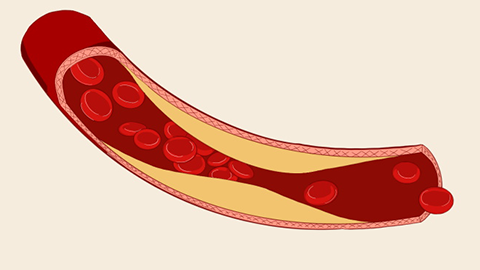
Diagnosis of cerebral arteriosclerosis should begin with a thorough review of the patient’s medical history. Patients with this condition often have pre-existing hypertension, hyperlipidemia, or diabetes mellitus; thus, regular monitoring of blood pressure, blood glucose, and lipid profile is essential. Additionally, vascular screening—including both intracranial and extracranial vessels—is required. Intracranial vessels can be assessed via transcranial Doppler (TCD) ultrasound, also known as cerebral blood flow imaging. For further evaluation, head and neck CT angiography, conventional angiography, or MR angiography (MRA) may be performed. Extracranial carotid and vertebral arteries are commonly screened using color Doppler ultrasonography, which clearly reveals the presence of atherosclerotic plaques, stenosis, and other structural abnormalities. Plaques can be classified as hyperechoic or hypoechoic—and further categorized as stable or unstable.

Carotid B-mode ultrasound is another widely used diagnostic tool, as it is one of the most reliable noninvasive methods for evaluating carotid artery health. It enables assessment of whether atherosclerotic plaques have formed and whether they have caused luminal narrowing. Moreover, age is an important factor: nearly all individuals aged 80 years or older exhibit some degree of arterial sclerosis. Patients with hypertension, hyperlipidemia, or diabetes tend to develop arterial sclerosis more rapidly than those without these risk factors.
Patients are advised to adopt a light, low-salt, low-fat diet; avoid spicy and irritating foods; quit smoking and alcohol consumption; maintain regular sleep-wake cycles; and avoid staying up late. We hope this information proves helpful.





