


Diagnostic Criteria for Myocarditis
Aug 04, 2022
Source: Cainiu Health

Dr. Li Man
Introduction
Myocarditis diagnosis is based on laboratory tests and other auxiliary examinations. Laboratory findings show increased white blood cell count in patients with rheumatic myocarditis, elevated erythrocyte sedimentation rate (ESR) during the acute phase, and elevated anti-streptolysin O (ASO) titers. In a minority of patients, serum levels of transaminases, lactate dehydrogenase (LDH), creatine kinase (CK), and its isoenzymes are also elevated. Other auxiliary examinations include electrocardiography (ECG), which primarily reveals changes in the ST segment and T wave.
Myocarditis often presents with severe clinical symptoms, and individuals of virtually any age group may develop this condition. Despite its relatively high incidence among heart diseases, many people remain unaware of it—hindering timely diagnosis. So, what are the diagnostic criteria for myocarditis?
Diagnostic Criteria for Myocarditis
Diagnosis of myocarditis relies on laboratory tests and other auxiliary examinations. Laboratory findings in rheumatic myocarditis typically include elevated white blood cell count, increased erythrocyte sedimentation rate (ESR) during the acute phase, elevated anti-streptolysin O (ASO) titers, and—less commonly—elevated serum levels of transaminases, lactate dehydrogenase (LDH), creatine kinase (CK), and its isoenzymes. Auxiliary examinations include electrocardiography (ECG), which commonly reveals changes in the ST segment and T wave. T-wave amplitude reduction may occasionally lead to coronal-plane T-wave abnormalities, while ST-segment changes are generally mild.
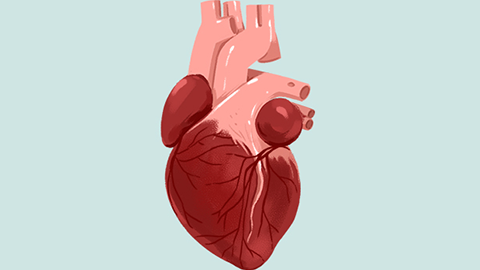
Most cases of myocarditis cause arrhythmias, as the inflammation damages myocardial cells and impairs myocardial function. This disrupts the heart’s normal rhythm and rate, leading patients to experience palpitations and other arrhythmia-related symptoms. Once diagnosed, patients may present with high fever, chills, and signs of cardiac decompensation—including hepatosplenomegaly, bilateral lower-limb edema, dyspnea, chest tightness, orthopnea, cough, and pink frothy sputum.

In daily life, patients should avoid crowded places to reduce infection risk, ensure adequate home ventilation, and consume easily digestible, protein-rich foods. We hope this information proves helpful to you.







