


How to Treat Rhinitis and Runny Nose
Aug 04, 2022
Source: Cainiu Health

Dr. Guo Xiheng
Introduction
If rhinorrhea is caused by acute or chronic rhinitis, the primary treatment focuses on improving nasal airflow—for example, using silver nanoparticle nasal sprays or intranasal corticosteroid sprays—to enhance nasal ventilation and promote recovery of nasal mucosal function. Traditional Chinese patent medicines—such as Bi Yuan Tong Qiao Granules or Xiang Ju Capsules—may be administered orally. If rhinorrhea results from allergic rhinitis, the main approach is antiallergic therapy.
Many individuals with rhinitis experience rhinorrhea (runny nose) in daily life, which can cause inconvenience in both personal and professional settings and significantly reduce quality of life. So, how is rhinorrhea caused by rhinitis treated?
How is rhinorrhea caused by rhinitis treated?
If rhinorrhea results from acute or chronic rhinitis, the primary treatment goal is to improve nasal airflow. This may involve using intranasal silver nanoparticle sprays or intranasal corticosteroid sprays to enhance nasal ventilation and promote recovery of nasal mucosal function. Traditional Chinese patent medicines—such as Biyuan Tongqiao Granules and Xiangju Capsules—may also be taken orally. In cases of allergic rhinitis–induced rhinorrhea, antiallergic therapy is the mainstay. Options include intranasal corticosteroids, oral antihistamines (e.g., levocetirizine and loratadine), or leukotriene receptor antagonists (e.g., montelukast). Oral traditional Chinese patent medicines—such as Xiangju Capsules—may also be used.
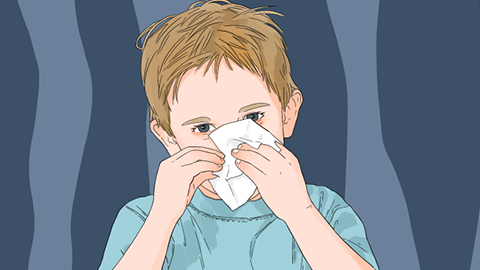
The most common symptoms of rhinitis include nasal congestion, nasal pruritus, sneezing, and rhinorrhea. In some children, allergic symptoms may extend to the lower respiratory tract (trachea and bronchi), manifesting as coughing. Approximately 70% of affected children may also exhibit asthma-like symptoms. Another distinct manifestation of rhinitis is adenoid hypertrophy; in some cases, severe tonsillar hypertrophy may also occur. When such lymphoid tissue enlargement becomes excessive and compromises upper airway patency, affected children may develop nocturnal snoring and frequent arousals during sleep—signs indicating cerebral hypoxia and associated neurological involvement.

Rhinitis warrants prompt medical attention to prevent adverse impacts on daily life and work performance. Individuals experiencing symptoms should seek timely evaluation at a healthcare facility. We hope this information proves helpful!




