


What should I do if I constantly have a runny nose due to rhinitis?
Mar 10, 2022
Source: Cainiu Health

Dr. Xu Gang
Introduction
Saline solution or isotonic seawater nasal irrigation may be considered. Following nasal irrigation, rhinorrhea symptoms typically improve gradually, and retention of nasal and sinus secretions is reduced, thereby alleviating inflammatory responses in the nasal cavity and sinuses. If nasal irrigation alone proves insufficient, pharmacologic treatment should be considered. Currently, commonly used medications include oral agents and intranasal sprays.
Rhinitis is an inflammatory condition of the nasal mucosa caused by viruses, bacteria, allergens, various physical and chemical factors, or certain systemic diseases. Its primary pathological changes include mucosal congestion, edema, exudation, hyperplasia, atrophy, or necrosis. So, what should one do if rhinitis is consistently accompanied by rhinorrhea (runny nose)? Below, we address this question.
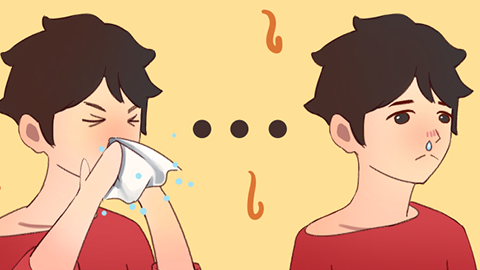
What to do if rhinitis is consistently accompanied by rhinorrhea
Nasal irrigation with normal saline or isotonic seawater may be considered. Following such irrigation, rhinorrhea symptoms typically improve gradually, while retention of nasal and sinus secretions decreases and the inflammatory response in the nasal cavity and sinuses is alleviated.
If nasal irrigation alone proves insufficient, pharmacological treatment should be considered—commonly including oral medications and topical nasal sprays. During drug therapy, regular follow-up visits are essential to monitor symptom improvement.
Most patients respond well to treatment. However, a small subset of patients present with severe or long-standing rhinitis that fails to improve adequately with standardized medical therapy; in such cases, endoscopic sinus surgery may be indicated. Postoperatively, regular follow-up examinations are necessary to assess surgical outcomes.
Additionally, after symptom improvement, patients are advised to enhance their immune function and resistance through appropriate exercise, dietary adjustments, or immunomodulatory agents—thereby addressing rhinitis at its root cause.
We hope the above information is helpful to you.



