


Which is more severe: astigmatism or hyperopia?
Aug 04, 2022
Source: Cainiu Health

Dr. Chen You
Introduction
Astigmatism and hyperopia are both refractive errors. Due to differences in associated complications and severity, it is not possible to determine which condition is more serious. Astigmatism and hyperopia each carry their own clinical significance. If the degrees of astigmatism and hyperopia are relatively mild, they typically cause no significant visual impairment and are considered comparatively benign. Conversely, if both conditions are relatively severe and accompanied by related complications, symptoms become more pronounced and debilitating.
With the emergence of various electronic devices, eye diseases have become one of the most significant health concerns affecting people today. Among these, conjunctivitis (commonly known as “pink eye”) and trachoma are two prevalent conditions. So, what is the difference between trachoma and conjunctivitis?
Which is more serious: astigmatism or hyperopia?
Astigmatism and hyperopia are both types of refractive errors. Due to differences in associated complications and severity, it is not meaningful to directly compare which condition is “more serious.” Each condition carries its own clinical significance. If either astigmatism or hyperopia is mild, visual function may remain largely unaffected—both would then be considered relatively benign. Conversely, if either condition is severe—or if both coexist with related complications—the resulting symptoms can be significantly more pronounced. For instance, astigmatism exceeding 300 diopters can severely impair visual function, causing objects to appear distorted or blurred and leading to substantial visual fatigue. Similarly, hyperopia exceeding 300 diopters is also considered severe; in young children, untreated high hyperopia may lead to amblyopia (lazy eye), which—if left unaddressed—can progress to irreversible vision loss.
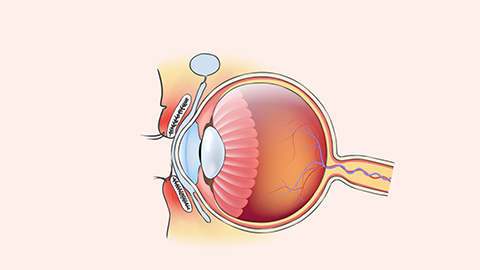
Correcting astigmatism generally begins with a comprehensive ophthalmic examination to rule out organic eye disease. Based on the degree and nature of the refractive error determined through refraction testing, appropriately prescribed corrective lenses are recommended. Standard corrective glasses can effectively manage cases where astigmatism coexists with hyperopia or myopia. However, for patients with isolated astigmatism, precise lens fitting and custom prescription are essential. Following initial wear, an adaptation period is expected, during which mild discomfort may occur.

Patients are advised to avoid smoking and excessive alcohol consumption, ensure adequate sleep, and maintain healthy lifestyle habits. We hope this information proves helpful to you.



