Atherosclerotic Plaque Treatment
Aug 05, 2022
Source: Cainiu Health

Dr. Li Man
Introduction
The treatment of atherosclerotic plaques primarily relies on pharmacotherapy. Clinically, commonly used medications include statins—such as atorvastatin, rosuvastatin, and simvastatin. With continuous advancements in traditional Chinese medicine (TCM) formulation technologies, TCM patent medicines like Zhiyang Kang have also seen increasingly widespread clinical application. Atherosclerotic plaques are predominantly diagnosed using color Doppler ultrasound, and treatment outcomes vary among individuals.
Carotid artery plaques are very common among middle-aged and elderly individuals. Once formed, carotid plaques may cause symptoms such as dizziness and insomnia, and may also lead to more serious conditions. Therefore, carotid artery plaque can be considered a particularly challenging health issue. So, how are atherosclerotic plaques treated?
Treatment of Atherosclerotic Plaques
The primary treatment for atherosclerotic plaques is pharmacotherapy. Clinically, commonly used medications include statins—such as atorvastatin, rosuvastatin, and simvastatin. With continuous advancements in traditional Chinese medicine (TCM) formulation technology, TCM patent medicines like Zhiyangkang have also gained increasingly widespread clinical application. Atherosclerotic plaques are primarily diagnosed using color Doppler ultrasound; however, treatment outcomes vary significantly among individuals.
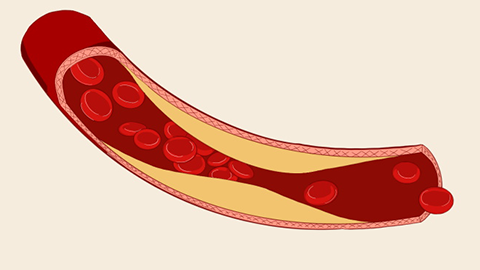
Atherosclerotic plaques, like atherosclerosis itself, are influenced by numerous factors. Key risk factors for carotid plaque formation include age over 60 years, long-term smoking history, hypertension, diabetes mellitus, and hyperlipidemia. Currently, carotid artery plaque is regarded essentially as a severe manifestation of atherosclerosis. In summary, carotid artery plaque predominantly affects middle-aged and elderly individuals, and its development typically results from the gradual accumulation of pathological changes over many years.

Dietary management should emphasize low-salt and low-fat intake. Patients should limit consumption of organ meats, egg yolks, and fatty meats, while increasing intake of low-sugar vegetables and fruits. We hope this information proves helpful to you.