


What Should You Do If You Experience Tinnitus?
Aug 05, 2022
Source: Cainiu Health

Dr. Xu Gang
Introduction
After developing tinnitus, patients may undergo ear irrigation as a treatment. The external auditory canal can be flushed with normal saline to remove impacted cerumen (earwax) or any possible purulent discharge, thereby reducing the accumulation of cerumen and pus in the ear canal and helping to alleviate tinnitus symptoms. Additionally, medications that promote vasodilation and reduce blood viscosity—such as aspirin or statins—may be prescribed.
In daily life, many people experience tinnitus. Due to persistent or intermittent tinnitus, patients often become highly agitated and anxious. These negative emotions can exacerbate tinnitus symptoms, creating a vicious cycle; tinnitus may also lead to hearing loss. So what should one do upon developing tinnitus?
What to Do If You Develop Tinnitus
After developing tinnitus, patients may undergo ear irrigation as part of treatment. Saline solution can be used to flush the ear canal—removing impacted cerumen (earwax) or possible purulent discharge—to reduce accumulation of cerumen or pus in the ear canal, thereby helping alleviate tinnitus symptoms. Medications that dilate blood vessels and reduce blood viscosity—such as aspirin or statins—may also be prescribed to improve tinnitus caused by increased blood viscosity or slowed circulation. Patients should minimize exposure to noise pollution, avoid noisy environments, relieve auditory fatigue, and thus help improve tinnitus symptoms.
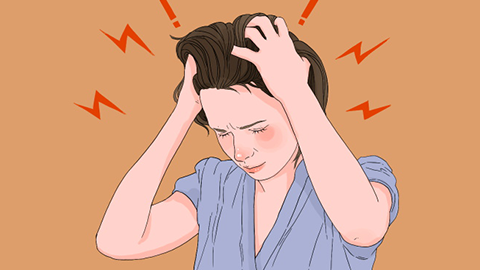
Dietary adjustments can also benefit tinnitus patients. It is recommended that patients consume foods rich in zinc and iron, such as pork liver, lamb liver, lean meat, egg yolks, spinach, fish, shrimp, shellfish, oysters, and onions. Patients may also eat wood ear fungus (Auricularia auricula-judae), which effectively promotes blood circulation. Additionally, consuming fresh vegetables and fruits is encouraged, as they provide various vitamins essential for recovery from tinnitus. Spicy, salty, and greasy foods should be avoided.
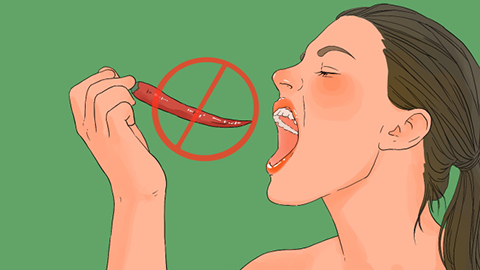
Patients are advised to cultivate healthy eating habits in daily life and avoid spicy or otherwise irritating foods. We hope this information proves helpful to you.


